
• +971551792927
  • info-ucg@utilitarianconferences.com
WhatsApp

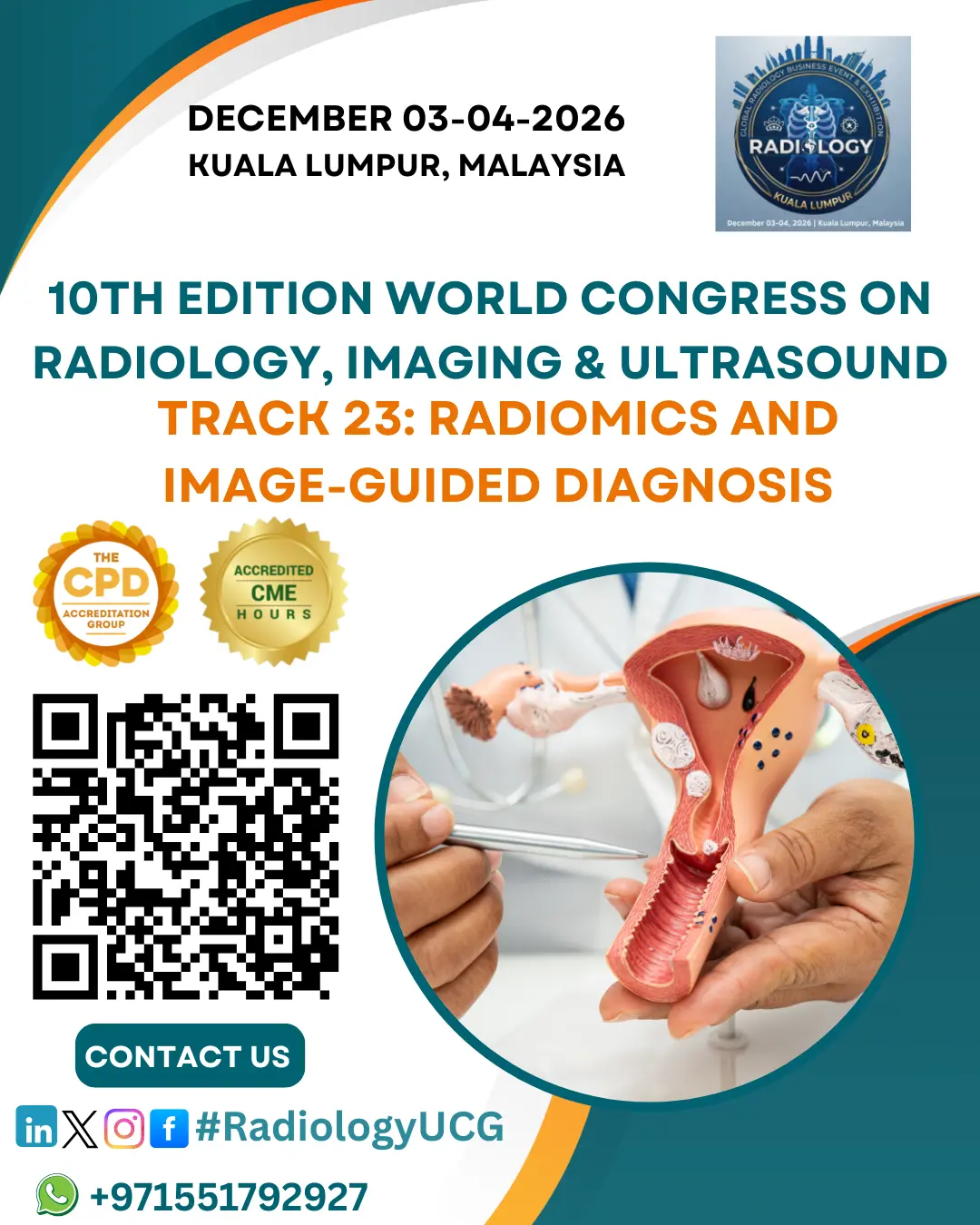
Track 23: Radiomics and Image-Guided Diagnosis

Track 23: Radiomics and Image-Guided Diagnosis

Radiomics and Image-Guided Diagnosis

Radiomics refers to the extraction of large amounts of quantitative data from medical imaging such as CT, MRI, PET, and ultrasound. These data include measurements of texture, shape, intensity, and patterns within tissues, many of which are not detectable by the human eye. By converting images into measurable data, radiomics helps in understanding disease characteristics more precisely.

Image-guided diagnosis involves using real-time imaging techniques to detect and evaluate diseases. When radiomics is combined with clinical information, laboratory data, and genetic markers, it supports more accurate diagnosis, prognosis prediction, and personalized treatment planning.

Key Elements:

  • Image Collection: High-quality CT, MRI, PET-CT, or Ultrasound scans.

  • Feature Extraction: Software identifies and quantifies image-based features.

  • Data Analysis: Machine learning and statistical models analyze these features to detect patterns.

  • Clinical Use: Results are used to assist doctors in diagnosis and treatment decisions.

Applications:

  • Cancer: Distinguishing benign from malignant tumors, predicting tumor behavior, and assessing treatment response.

  • Neurology: Detecting early brain disorders and characterizing brain tumors.

  • Cardiology: Evaluating heart tissue health and identifying risk of cardiac events.

  • Orthopedics: Studying bone deformities and joint disease progression.

Advantages:

  • Provides more precise and objective diagnosis

  • Supports personalized medicine

  • Detects subtle disease changes earlier

  • Reduces interpretation errors

Limitations:

  • Requires large data storage and high computing power

  • Needs standardized imaging procedures

  • Data privacy and security issues must be managed