
Sub Topic: Neuroradiology
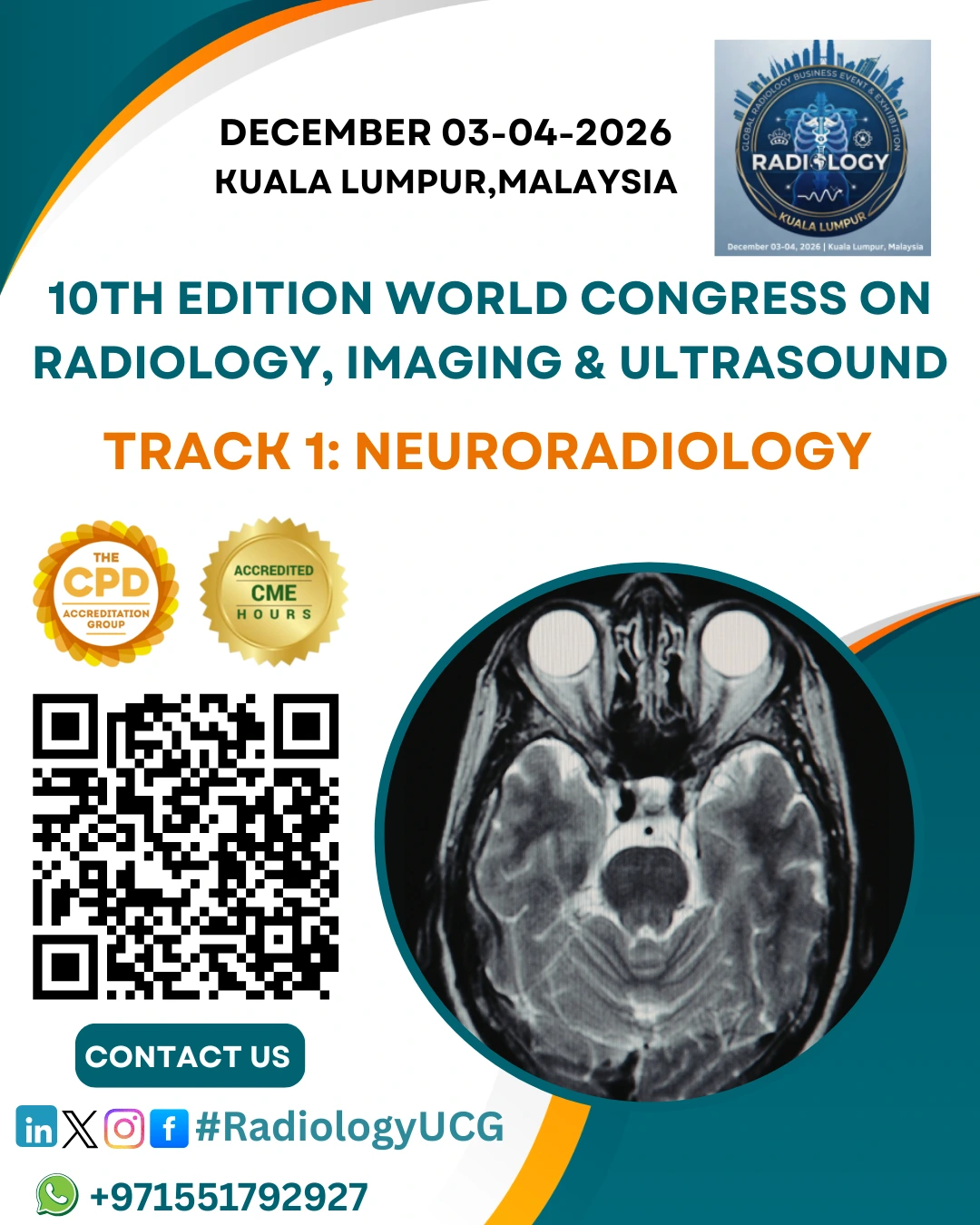
Neuroradiology is a specialized branch of Diagnostic Radiology that...
Sub Tracks: Pediatric Radiology
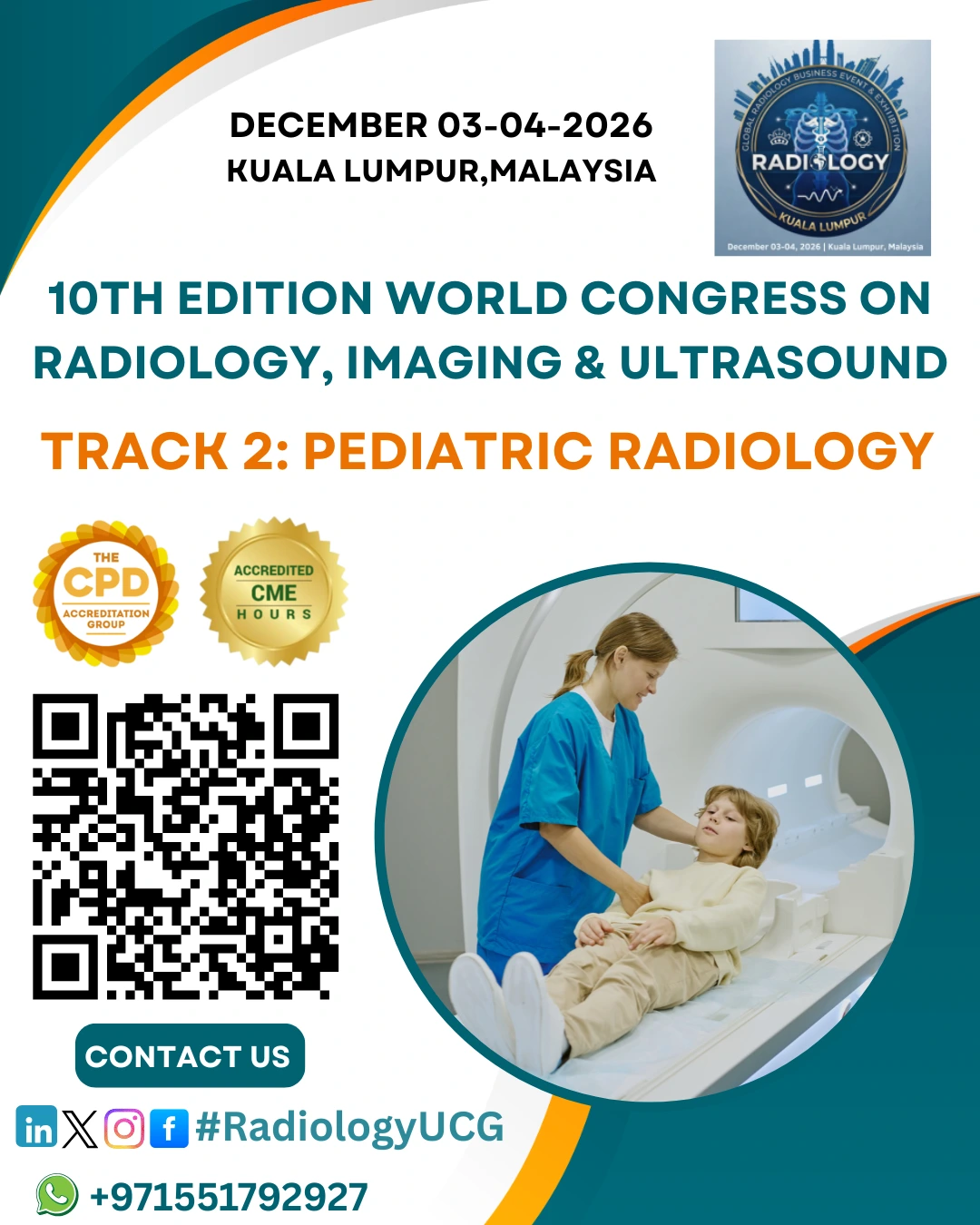
Pediatric Radiology is a specialized branch of radiology...
Advanced Head and Neck Ultrasound Techniques
CT Imaging for Acute and Chronic Head and Neck Pathologies
Head and Neck MRI including Skull Base Imaging
Sinonasal and Temporal Bone Imaging
Thyroid, Parathyroid, and Neck Mass Evaluation
Salivary Gland Imaging and Pathology
Head and Neck Oncologic Imaging
Vascular Imaging of the Head and Neck (CTA/MRA/Doppler)
Pediatric Head and Neck Imaging
Image-Guided Interventions in Head and Neck Radiology
Emerging Technologies: Diffusion/Perfusion MRI and Functional Imaging
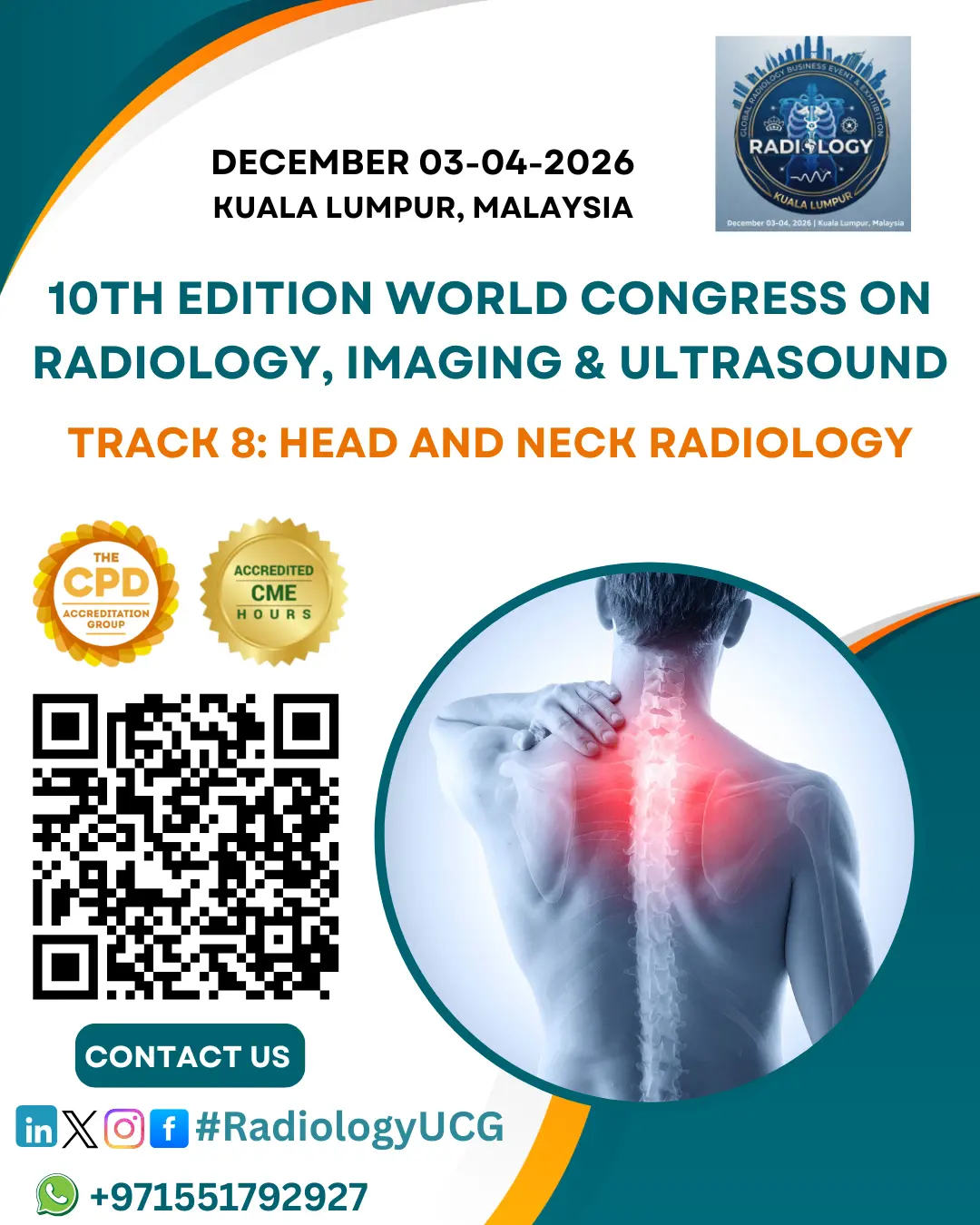
Head and Neck Radiology encompasses a range of diagnostic imaging modalities, including Ultrasound, CT, MRI, X-ray, and Nuclear Medicine, used to evaluate the complex anatomical structures of the head and neck region. These include the brain base, skull, sinuses, orbits, salivary glands, thyroid, larynx, pharynx, cervical spine, lymph nodes, and vascular structures.
This imaging specialty provides essential diagnostic information that supports effective patient management across oncology, otolaryngology (ENT), neurology, endocrinology, maxillofacial surgery, and emergency medicine.
Facilitates early identification of conditions such as head and neck cancers, sinusitis, thyroid disorders, salivary gland diseases, infections, and vascular abnormalities, enabling prompt and effective treatment.
Imaging findings guide treatment planning, including medical therapy, surgical intervention, radiation therapy, and interventional procedures, ensuring precise and individualized care.
Supports biopsies, aspirations, drainages, and targeted therapeutic interventions in the head and neck region, minimizing patient risk and recovery time.
Provides rapid assessment of trauma, airway compromise, infections (such as abscesses), hemorrhage, and acute neurological or vascular conditions.
Essential for evaluating treatment response, detecting recurrence, and monitoring chronic conditions such as malignancies, inflammatory diseases, and post-surgical outcomes.