
Sub Topic: Neuroradiology
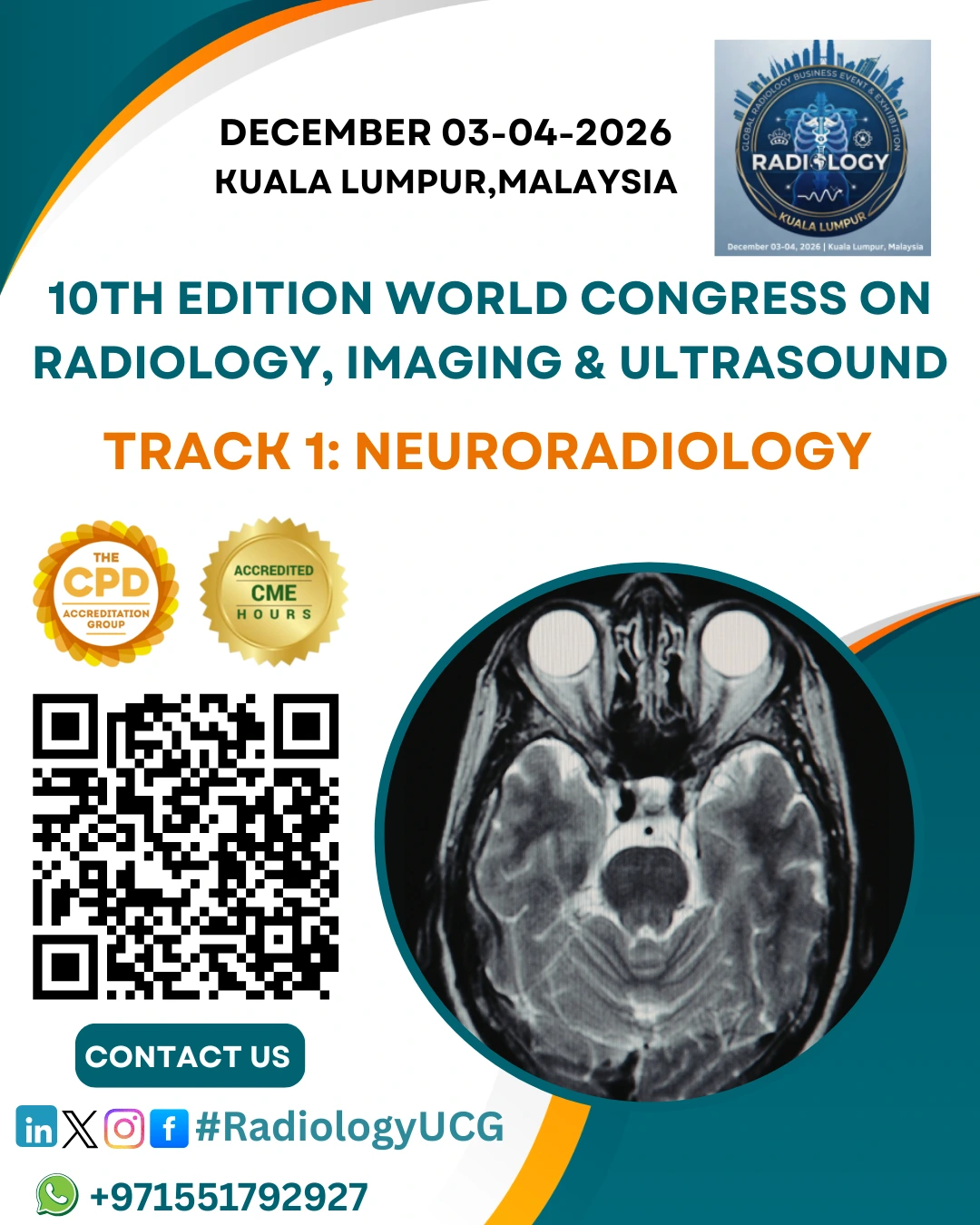
Neuroradiology is a specialized branch of Diagnostic Radiology that...
Sub Tracks: Pediatric Radiology
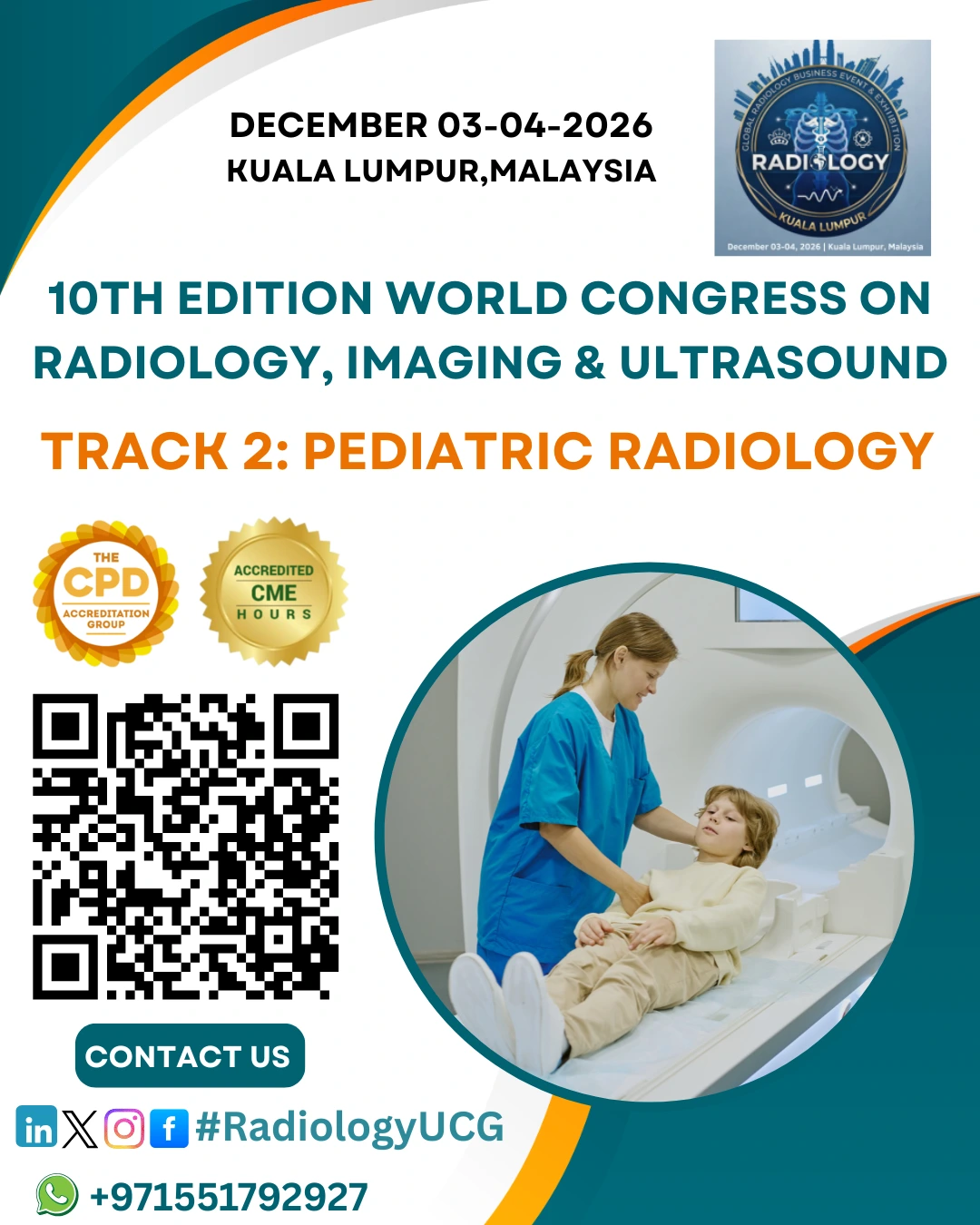
Pediatric Radiology is a specialized branch of radiology...
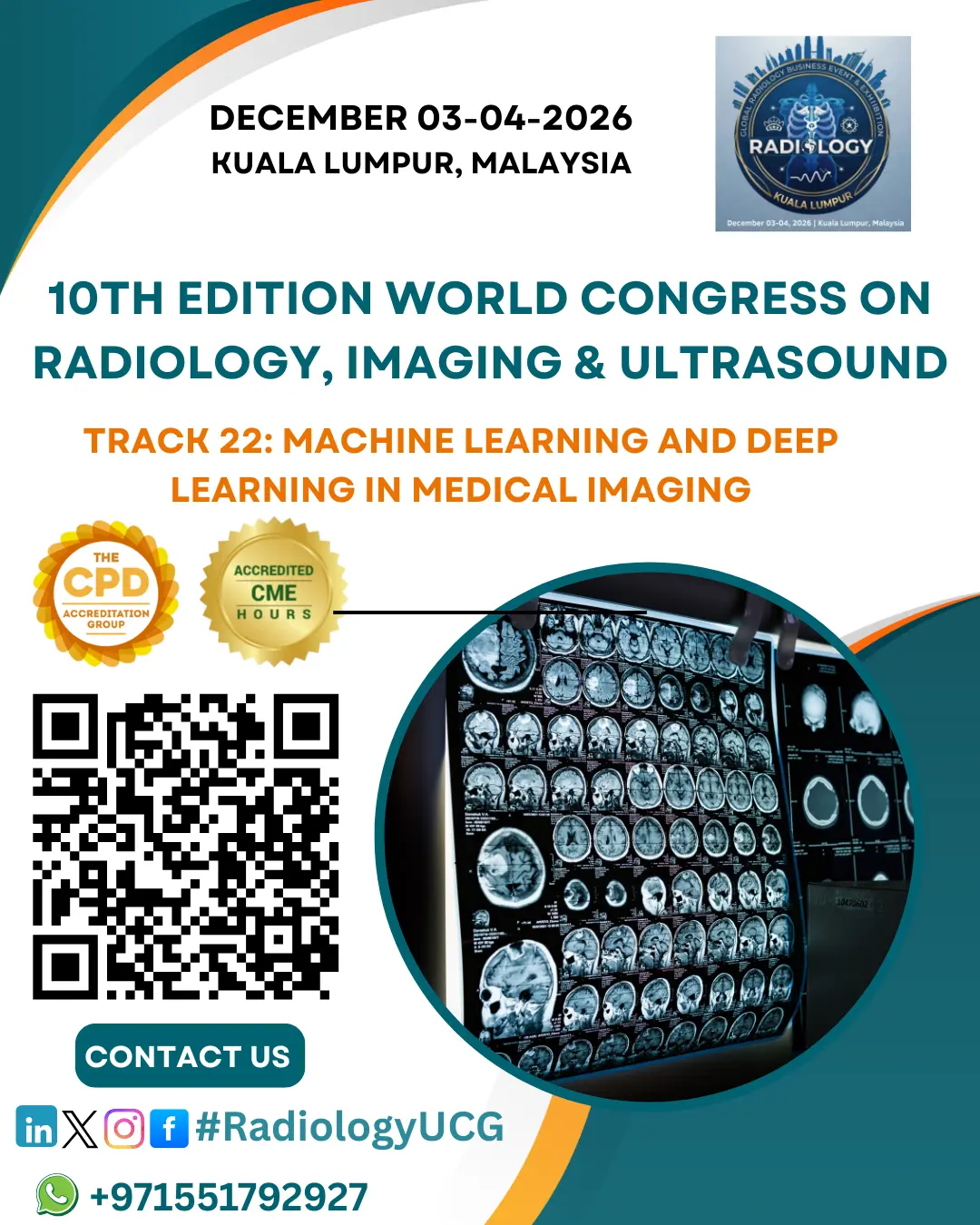
Machine Learning (ML) and Deep Learning (DL) are transforming medical imaging by improving diagnostic accuracy, enhancing workflow efficiency, and supporting clinical decision-making. Modern imaging modalities—such as X-ray, CT, MRI, PET, and Ultrasound—generate vast amounts of complex data that require expert interpretation. ML and DL techniques enable faster, more accurate analysis of these images.
Traditional ML methods rely on feature extraction and pattern recognition. These algorithms are trained to detect abnormalities such as tumors, lesions, fractures, or organ irregularities. By providing quantitative evaluations, ML reduces observer variability and ensures consistent, reliable diagnoses.
Deep Learning, particularly through Convolutional Neural Networks (CNNs), allows systems to learn directly from raw imaging data. This approach enables the detection of subtle features that may not be apparent to the human eye. DL is widely applied in:
Machine Learning and Deep Learning are reshaping medical imaging—not by replacing radiologists, but by enhancing their capabilities. Combining clinical expertise with intelligent AI systems enables faster, more reliable, and patient-centered diagnostic care.