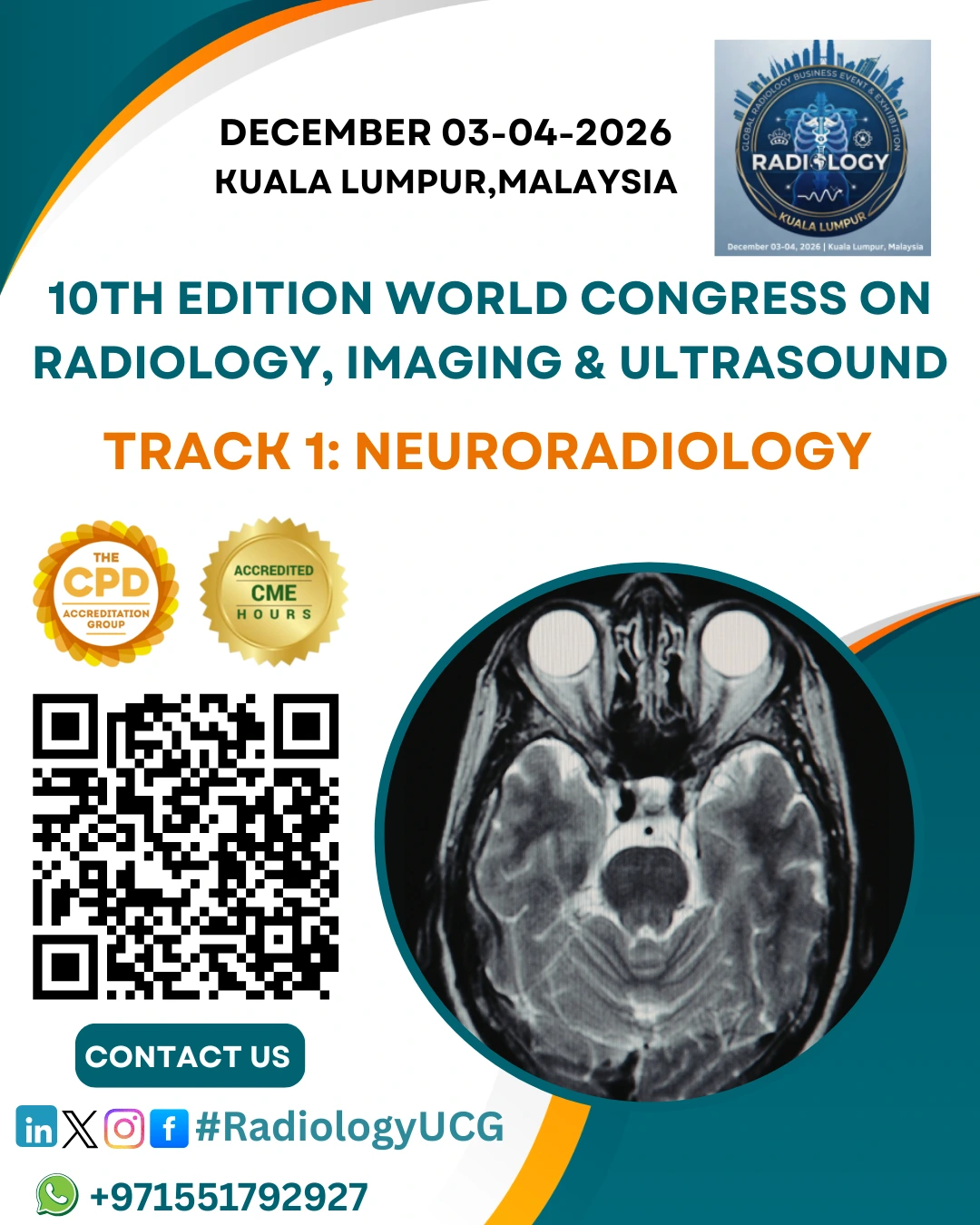

Sub Topic: Neuroradiology
Neuroradiology is a specialized branch of Diagnostic Radiology that...
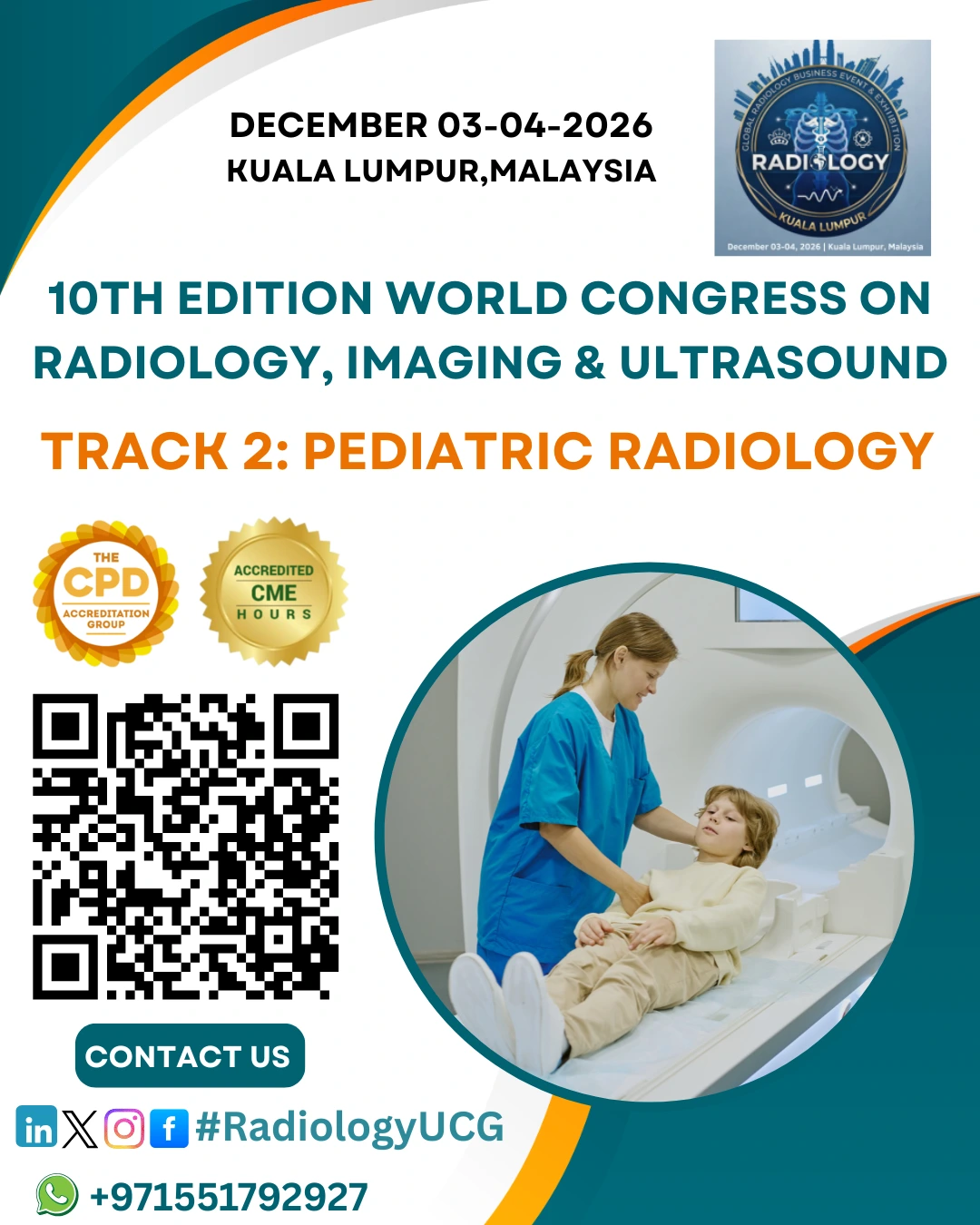
Sub Tracks: Pediatric Radiology
Pediatric Radiology is a specialized branch of radiology...
Neuroradiology is a specialized branch of Diagnostic Radiology that focuses on imaging of the brain, spine, head, and neck to detect, diagnose, and monitor neurological disorders. Using advanced imaging techniques such as CT scans, MRI, and specialized angiographic studies, neuroradiologists provide critical insights into conditions like stroke, tumors, trauma, infections, and degenerative diseases. By accurately visualizing complex neural structures, neuroradiology supports early diagnosis, improves patient outcomes, and minimizes the need for invasive procedures.
Neuroradiologists and imaging professionals play a crucial role in ensuring patient safety, maintaining high imaging standards, and collaborating with neurologists, neurosurgeons, and other healthcare specialists. Their expertise is essential in emergency neurological care, chronic neurological disease management, oncology, and surgical planning.
To keep pace with rapid technological advancements, neuroradiology professionals must continuously update their knowledge. Attending CME/CPD-accredited global conferences on Radiology, Imaging, and Ultrasound enables practitioners to explore the latest developments in neuroimaging, AI-driven diagnostics, advanced MRI techniques, and evidence-based clinical practices.
These conferences also provide valuable opportunities for networking, research presentation, and scientific collaboration, allowing participants to share case studies and engage with global experts. Continuous learning ensures neuroradiology professionals deliver precise, efficient, and patient-centered care.
Key Topic: Neuroimaging | Brain MRI | CT Brain | Functional MRI (fMRI) | Diffusion Tensor Imaging (DTI) | MR Spectroscopy | Neurovascular Imaging | Stroke Imaging | Brain Tumor Imaging | Spine Imaging | Head and Neck Imaging | Pediatric Neuroradiology | Neurointerventional Procedures | Neuro-oncology Imaging | Neurodegenerative Disorders Imaging | Emergency Neuroradiology | AI in Neuroimaging | Image-Guided Neuro Procedures | Radiation Safety in Neuroimaging