
Sub Topic: Neuroradiology
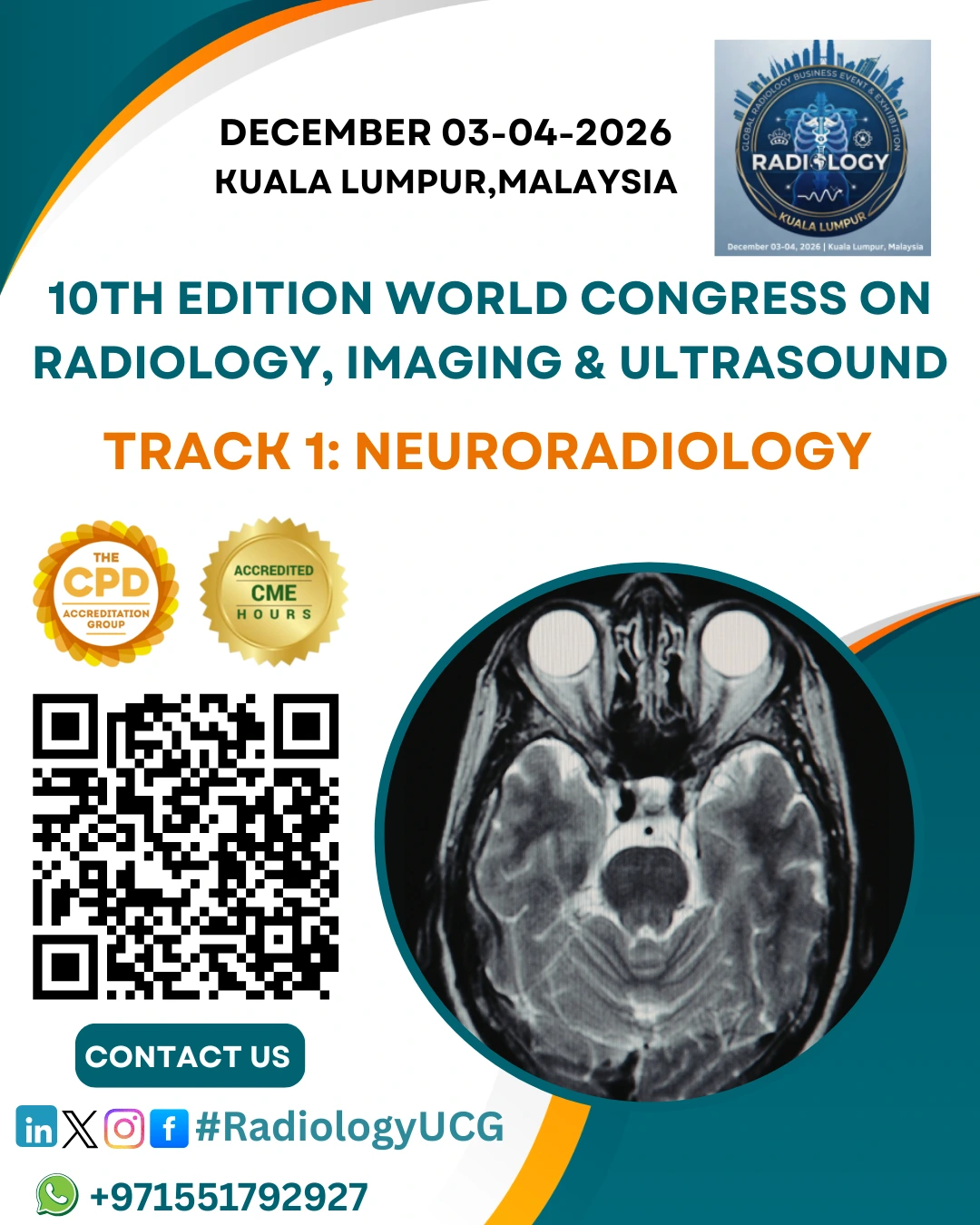
Neuroradiology is a specialized branch of Diagnostic Radiology that...
Sub Tracks: Pediatric Radiology
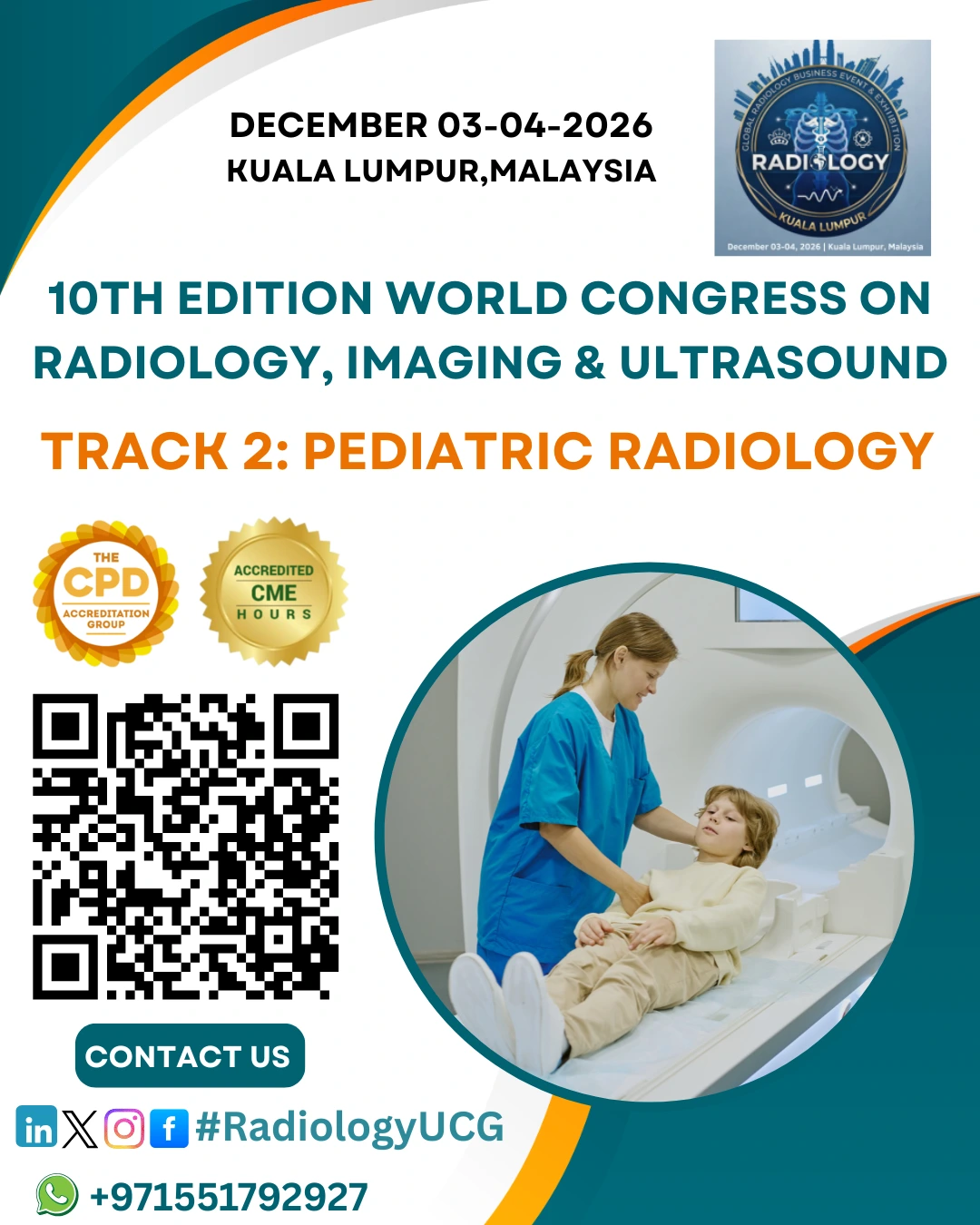
Pediatric Radiology is a specialized branch of radiology...
Oncologic molecular imaging (PET/CT, PET/MRI)
Cancer detection, staging, and treatment response evaluation using radiotracers (e.g., FDG PET in lung and other cancers)
Cardiac nuclear imaging
Myocardial perfusion imaging, viability studies, and assessment of coronary artery disease
Neurological molecular imaging
Brain PET/SPECT for dementia, epilepsy, Parkinsonian disorders, and neuro-oncology
Pulmonary nuclear imaging
Ventilation-perfusion (V/Q) scans for pulmonary embolism and functional lung assessment
Infection and inflammation imaging
Detection of occult infections, inflammatory diseases, and fever of unknown origin
Endocrine and thyroid imaging
Evaluation of thyroid disorders, parathyroid adenomas, and adrenal pathology
Bone and musculoskeletal imaging
Bone scans for metastases, fractures, infection, and metabolic bone diseases
Theranostics and radionuclide therapy
Targeted treatments combining diagnostics and therapy (e.g., radioiodine, Lu-177 therapies)
Pediatric nuclear medicine
Specialized imaging protocols for congenital, metabolic, and oncologic conditions in children
Hybrid and advanced imaging technologies
PET/CT, PET/MRI, SPECT/CT, and AI-driven quantitative imaging
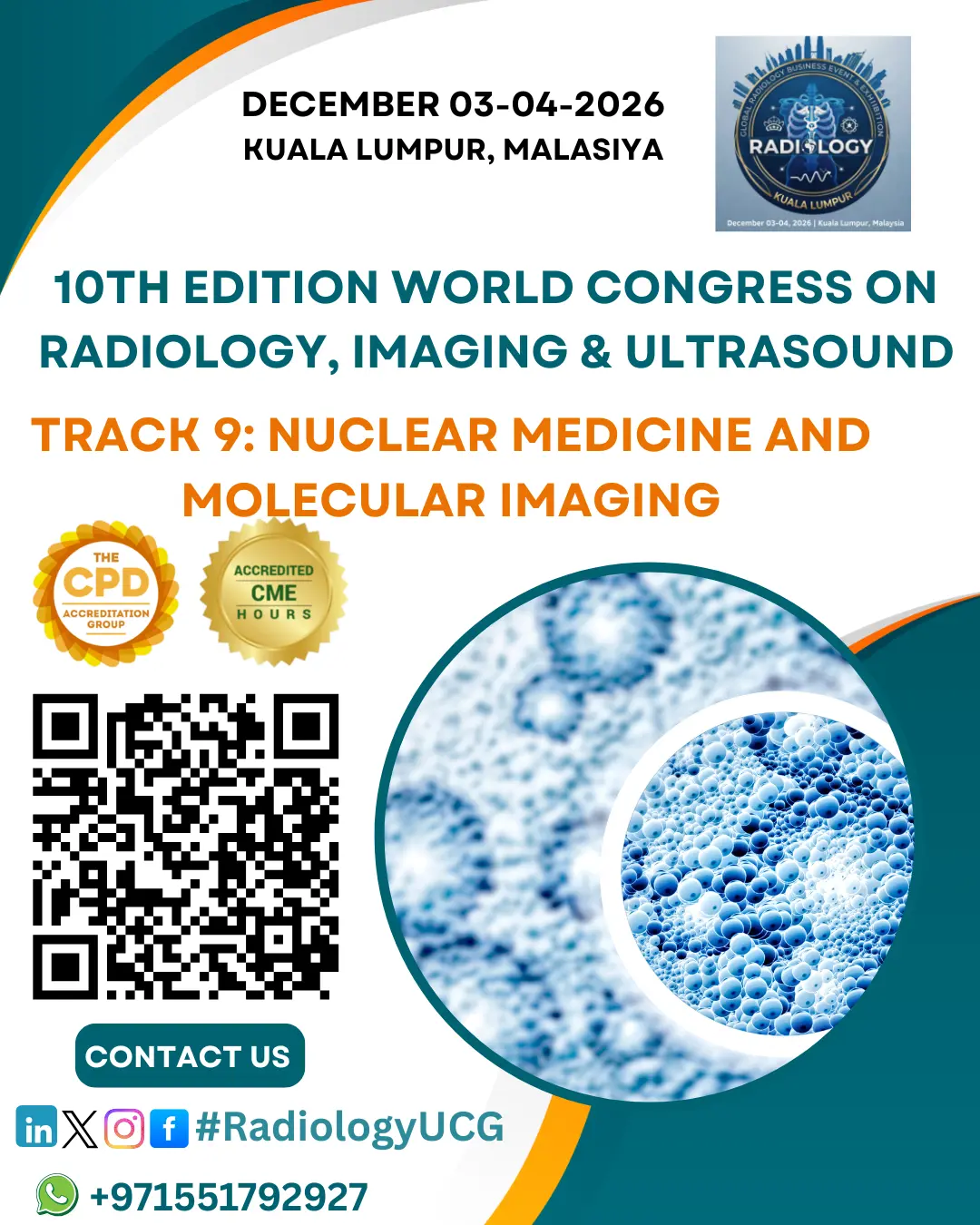
Nuclear Medicine and Molecular Imaging is a specialized field of medical imaging that focuses on evaluating physiological and molecular processes within the body using small amounts of radioactive tracers (radiopharmaceuticals). Unlike conventional imaging, which primarily shows anatomy, this field provides functional and metabolic information at the cellular level.
Techniques such as PET, SPECT, and hybrid imaging (PET/CT, PET/MRI) allow clinicians to detect diseases early, often before structural changes become visible. This is particularly valuable in oncology, cardiology, neurology, and infection imaging.
Many diseases begin with molecular and functional changes before structural abnormalities appear, making early detection possible through nuclear imaging.
It enables precise disease characterization, staging, and treatment response monitoring—especially in cancer care.
It plays a key role in personalized medicine by selecting targeted therapies based on molecular activity.
Supports minimally invasive, image-guided therapeutic procedures through theranostics.
Facilitates whole-body imaging, allowing comprehensive assessment in a single scan.
The demand for specialists in Nuclear Medicine and Molecular Imaging is increasing due to:
Growing cancer burden and need for precise staging and therapy monitoring
Expansion of theranostic treatments and personalized medicine
Increased use of PET/CT in oncology, cardiology, and neurology
Rising prevalence of chronic diseases such as cardiovascular and neurodegenerative disorders
Advances in radiopharmaceutical development and hybrid imaging technologies
Integration of artificial intelligence for image analysis and workflow optimization
Aging populations requiring more functional and molecular diagnostic approaches
Emerging innovations such as novel radiotracers, targeted radionuclide therapies, and AI-assisted interpretation are transforming the field. The integration of molecular imaging with genomics and precision medicine is expected to significantly enhance early diagnosis, treatment planning, and patient outcomes.