
Sub Topic: Neuroradiology
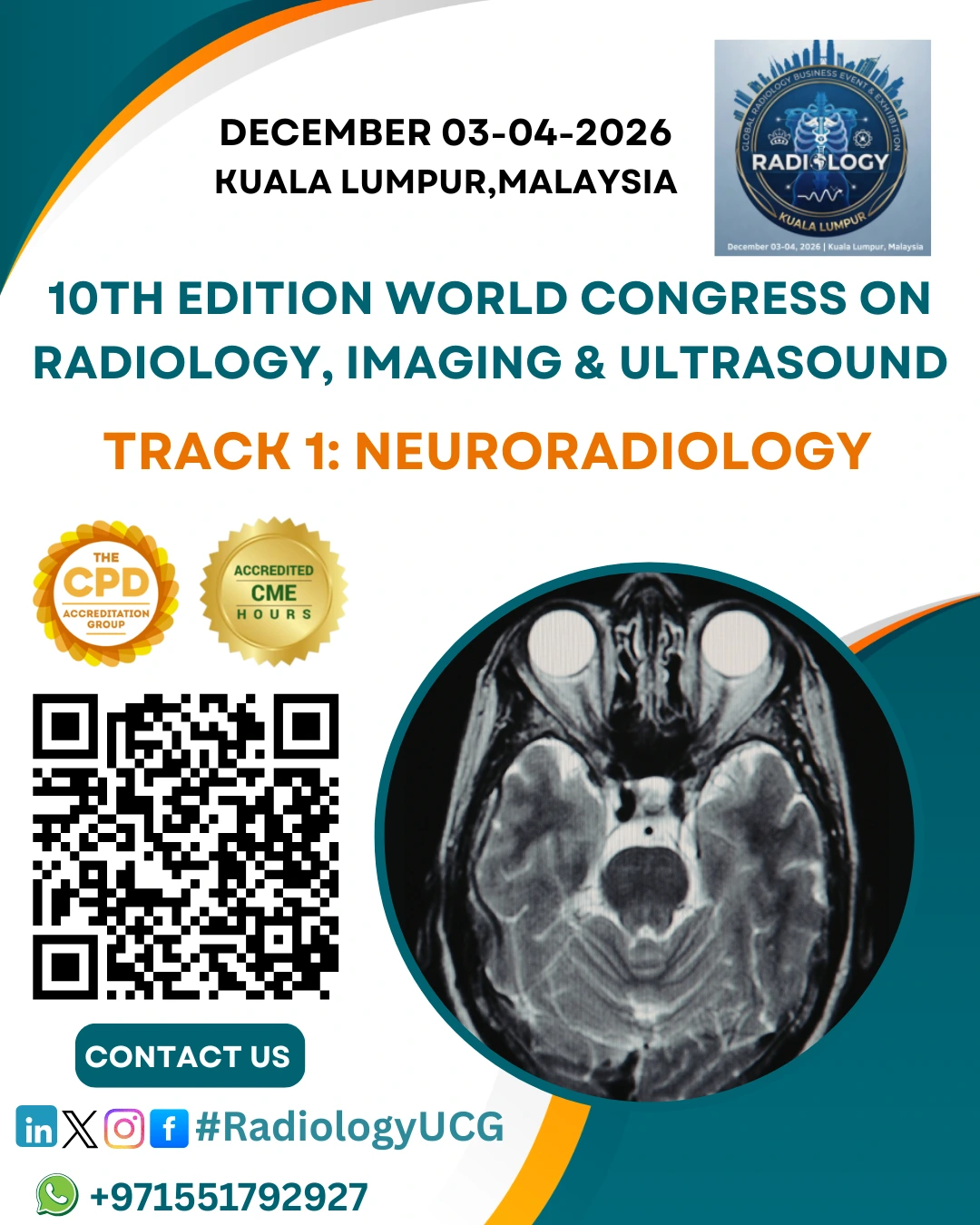
Neuroradiology is a specialized branch of Diagnostic Radiology that...
Sub Tracks: Pediatric Radiology
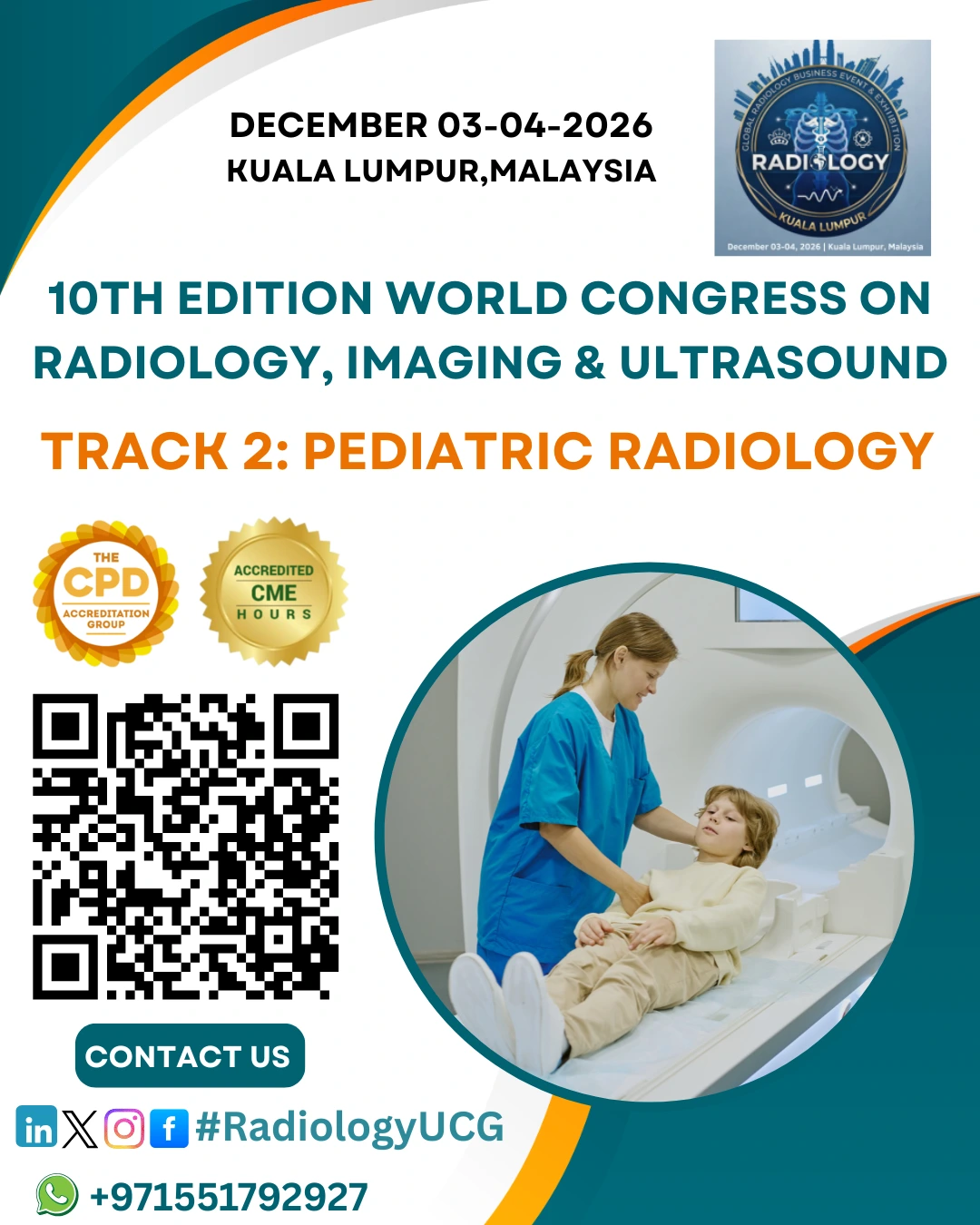
Pediatric Radiology is a specialized branch of radiology...
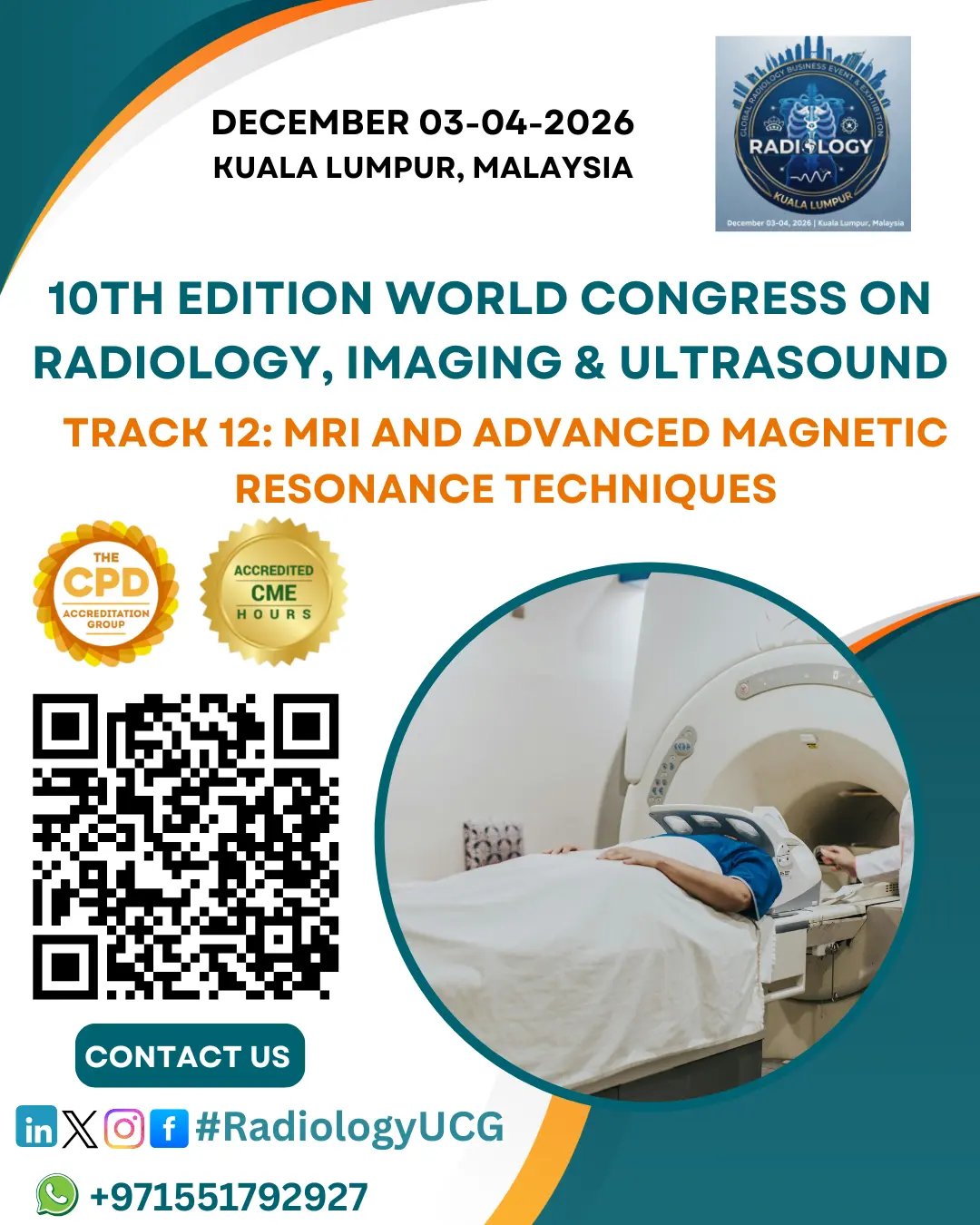
MRI Technology, Advanced Magnetic Resonance Techniques, Functional MRI (fMRI), Diffusion Imaging (DWI/DTI), MR Spectroscopy (MRS), Cardiac MRI, Neuro MRI, Oncologic MRI, Whole-Body MRI, Clinical MRI Research
Magnetic Resonance Imaging (MRI) is a non-invasive imaging modality that uses strong magnetic fields and radiofrequency waves to produce detailed images of the body’s internal structures. Unlike other imaging techniques, MRI does not use ionizing radiation, making it a safer option for repeated imaging.
Advanced magnetic resonance techniques go beyond structural imaging to provide information about tissue function, metabolism, and microstructure. These techniques are essential for early disease detection, accurate diagnosis, and treatment planning in neurological, oncological, musculoskeletal, and cardiovascular conditions.
Modern MRI plays a crucial role in evaluating complex diseases through multiple advanced methods:
Continuous education and research are essential for advancements in MRI. Academic training and clinical exposure help learners to:
Research drives innovation in MRI technology, including faster imaging sequences, higher-resolution scanners, and the development of new functional and quantitative imaging methods.
In one clinical training program, students gained practical experience in MRI by:
This hands-on experience enhanced their understanding of imaging workflow, patient safety, and the role of advanced MRI in modern diagnostics.
MRI and advanced magnetic resonance techniques offer several advantages:
MRI and advanced magnetic resonance techniques are integral to modern medical imaging, providing both structural and functional insights into disease processes. Continuous technological advancements and research are expanding their clinical applications, improving diagnostic accuracy, and supporting personalized patient care.