Radiology Education and Training
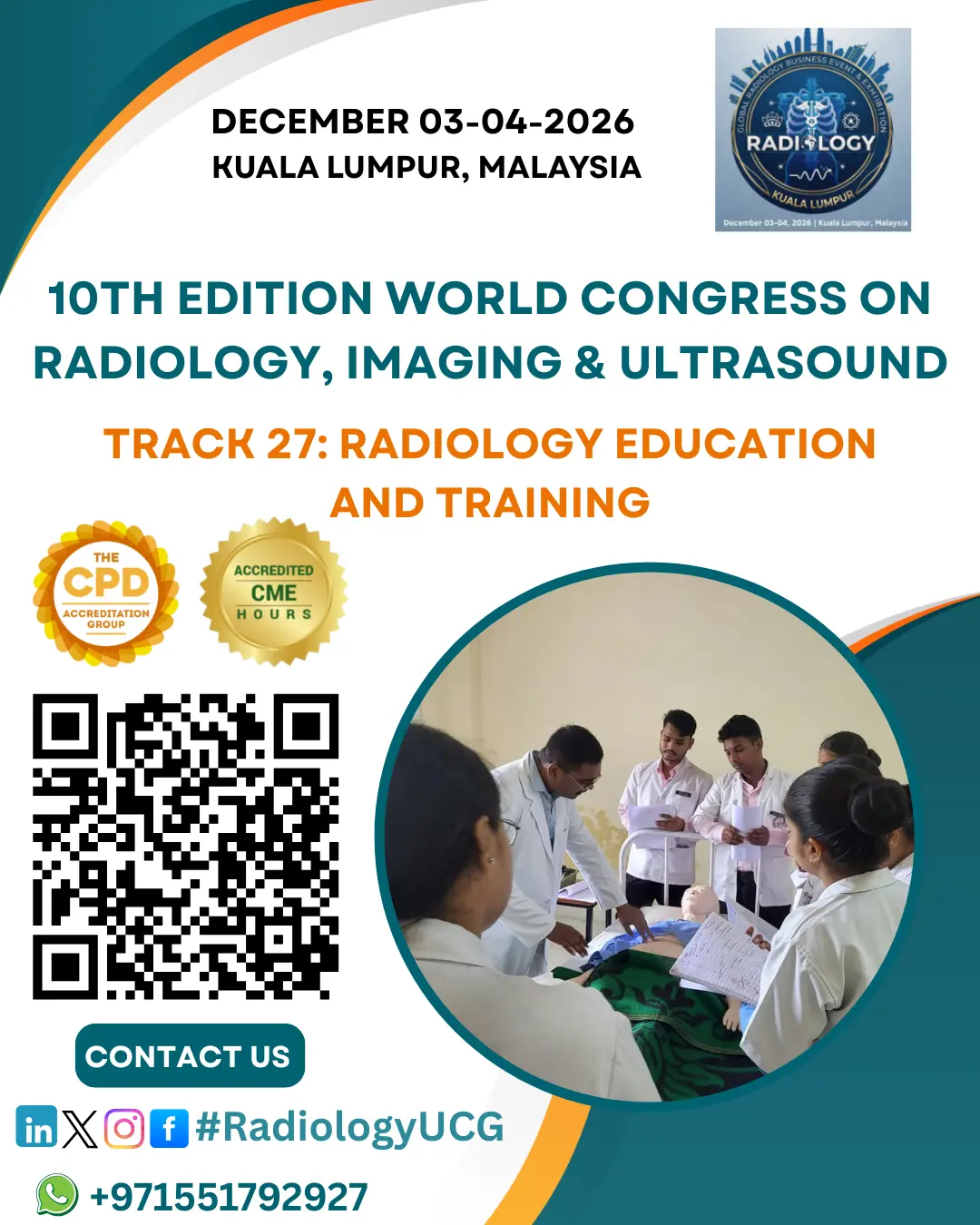
Radiology education and training equip healthcare professionals with the knowledge and skills needed to perform diagnostic imaging, interpret clinical findings, and contribute effectively to patient care. This structured approach integrates theoretical learning, technical expertise, and practical experience to ensure proficiency in medical imaging and radiologic sciences.
Core Components
-
Foundational Knowledge
Training begins with an in-depth understanding of anatomy, physiology, pathology, and imaging physics. This foundation is crucial for accurate image interpretation and early detection of abnormalities.
-
Imaging Modalities
Professionals develop competency in various imaging techniques, including X-ray, Computed Tomography (CT), Magnetic Resonance Imaging (MRI), ultrasound, and nuclear medicine. Training emphasizes patient safety, precise positioning, and optimal image quality.
-
Clinical Experience
Hands-on rotations in hospitals, diagnostic centers, and specialized units provide practical exposure. Supervised practice enhances diagnostic accuracy, procedural skills, and patient management.
-
Advanced Specialization
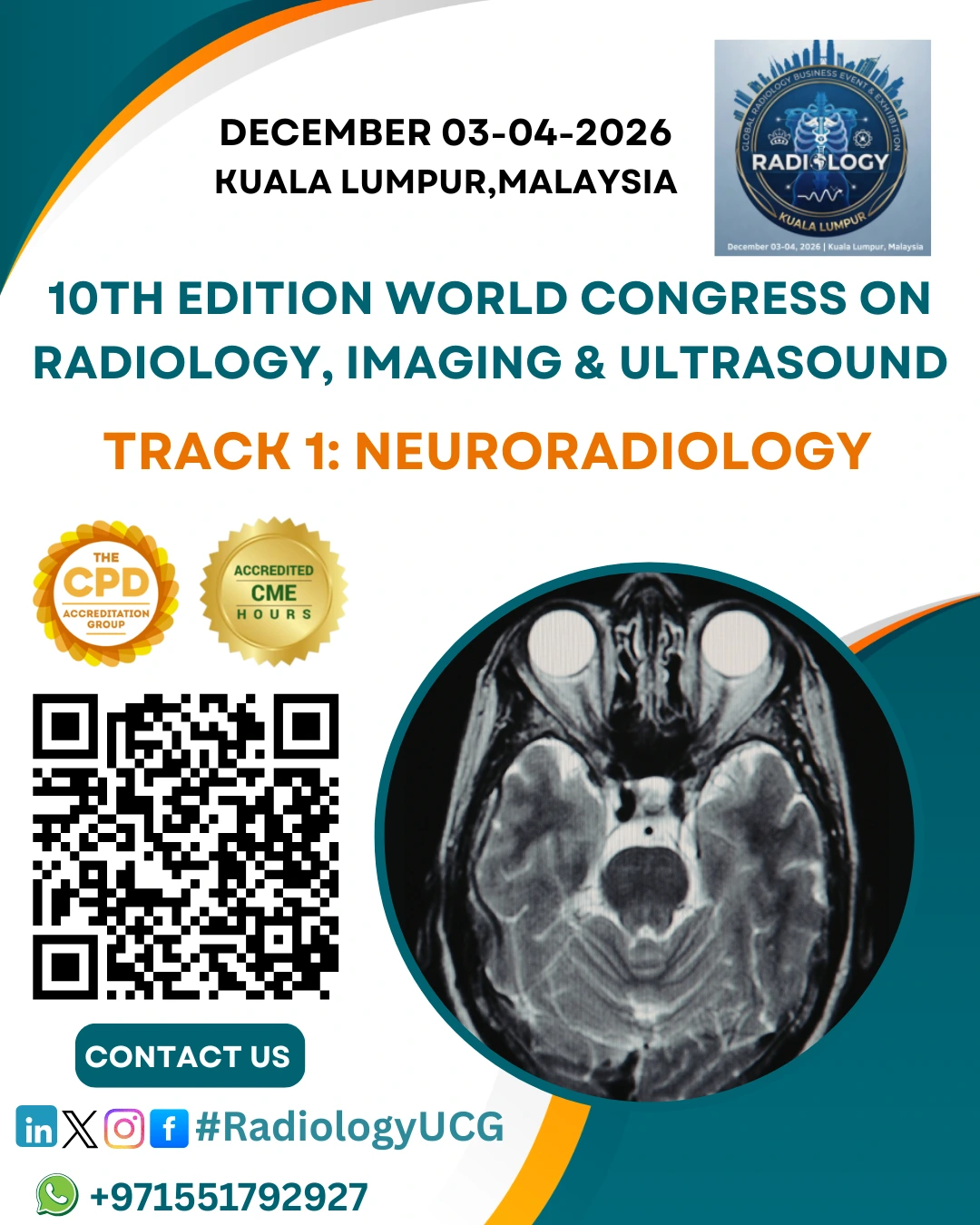
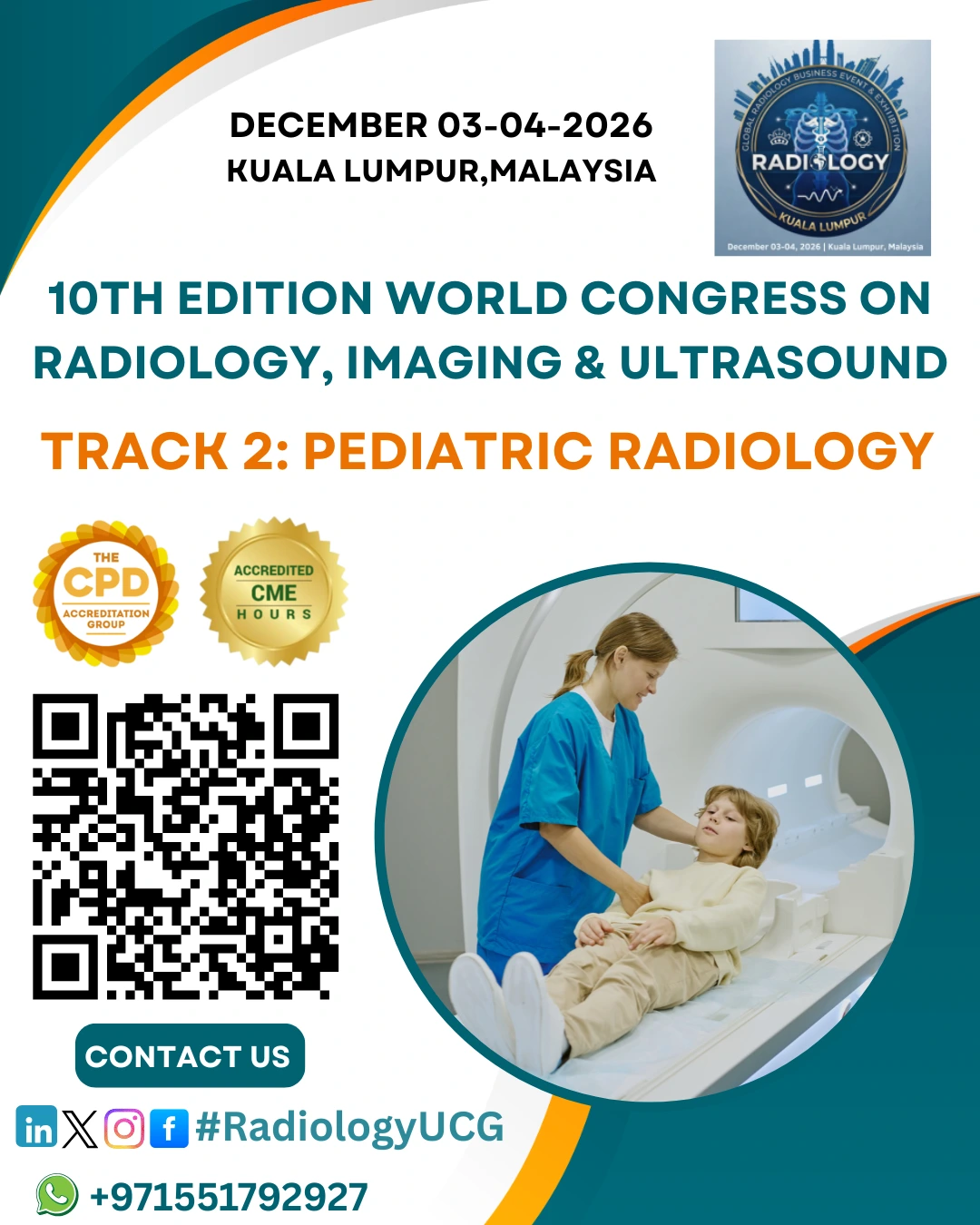
Postgraduate programs and fellowships allow focus on areas such as interventional radiology, pediatric imaging, neuroradiology, and musculoskeletal radiology. Advanced training integrates complex procedures, research, and evidence-based practice.
-
Continuing Professional Development (CPD)
Ongoing education through workshops, seminars, conferences, and online platforms ensures radiology professionals stay current with emerging technologies, evolving protocols, and best practices.
-
Certification and Licensing
Completion of accredited programs and successful licensure examinations are essential for independent practice. Certification validates clinical expertise and reinforces standards for safe, high-quality imaging.
Conclusion
Radiology education and training form the foundation of competent, skilled imaging professionals. By combining theoretical learning, clinical exposure, and continuous professional development, radiologists enhance diagnostic accuracy, improve patient care, and advance medical imaging.