
Sub Topic: Neuroradiology
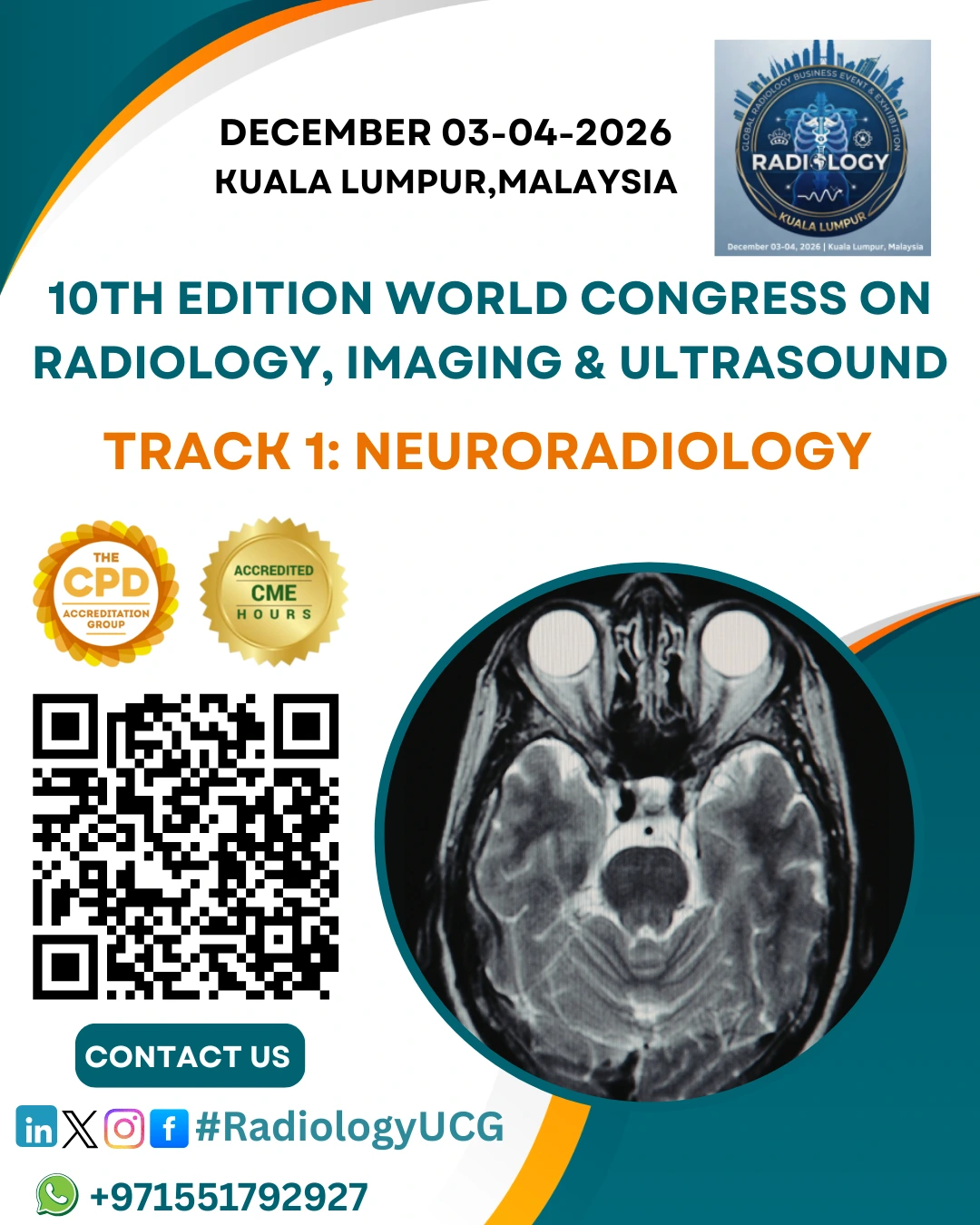
Neuroradiology is a specialized branch of Diagnostic Radiology that...
Sub Tracks: Pediatric Radiology
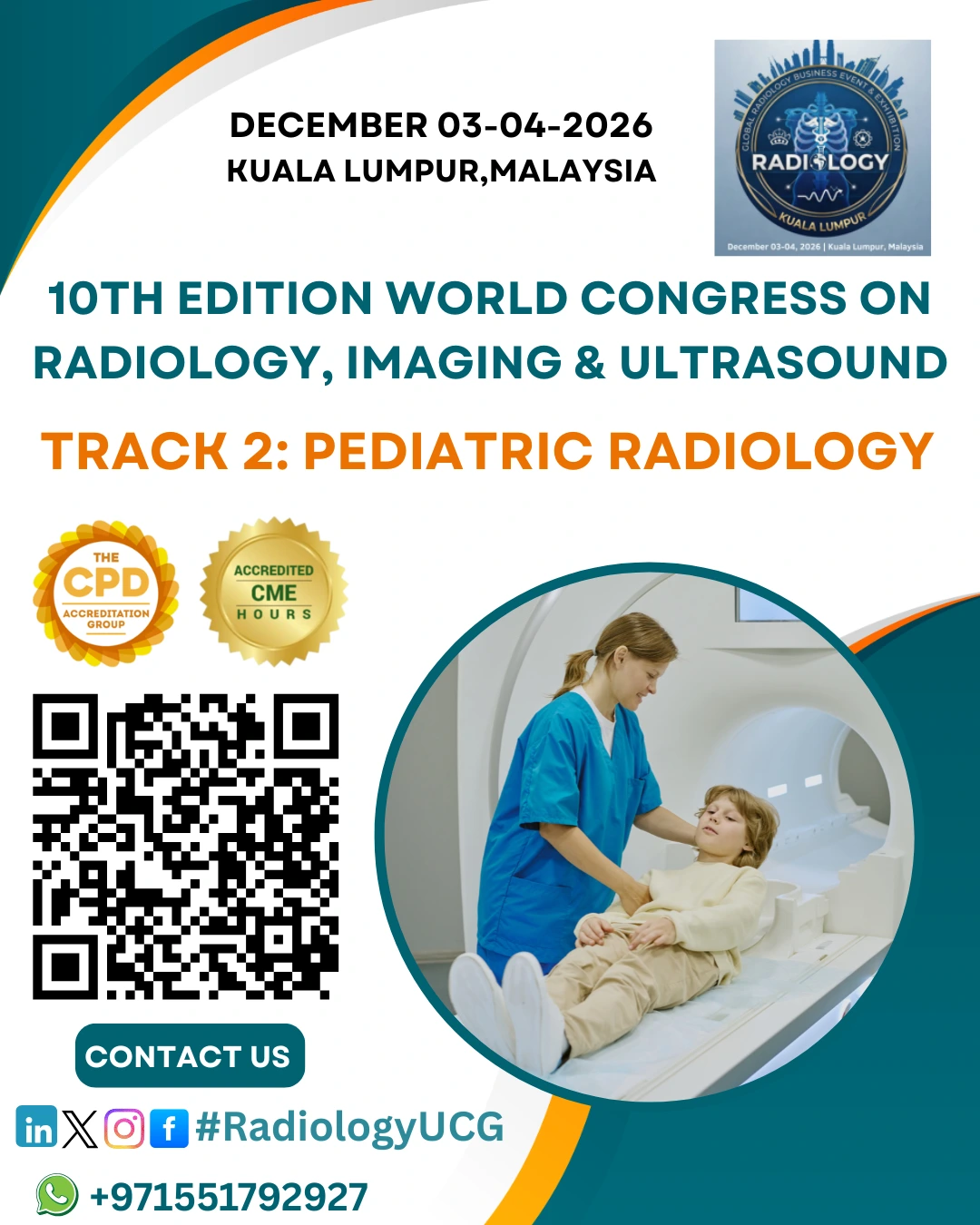
Pediatric Radiology is a specialized branch of radiology...
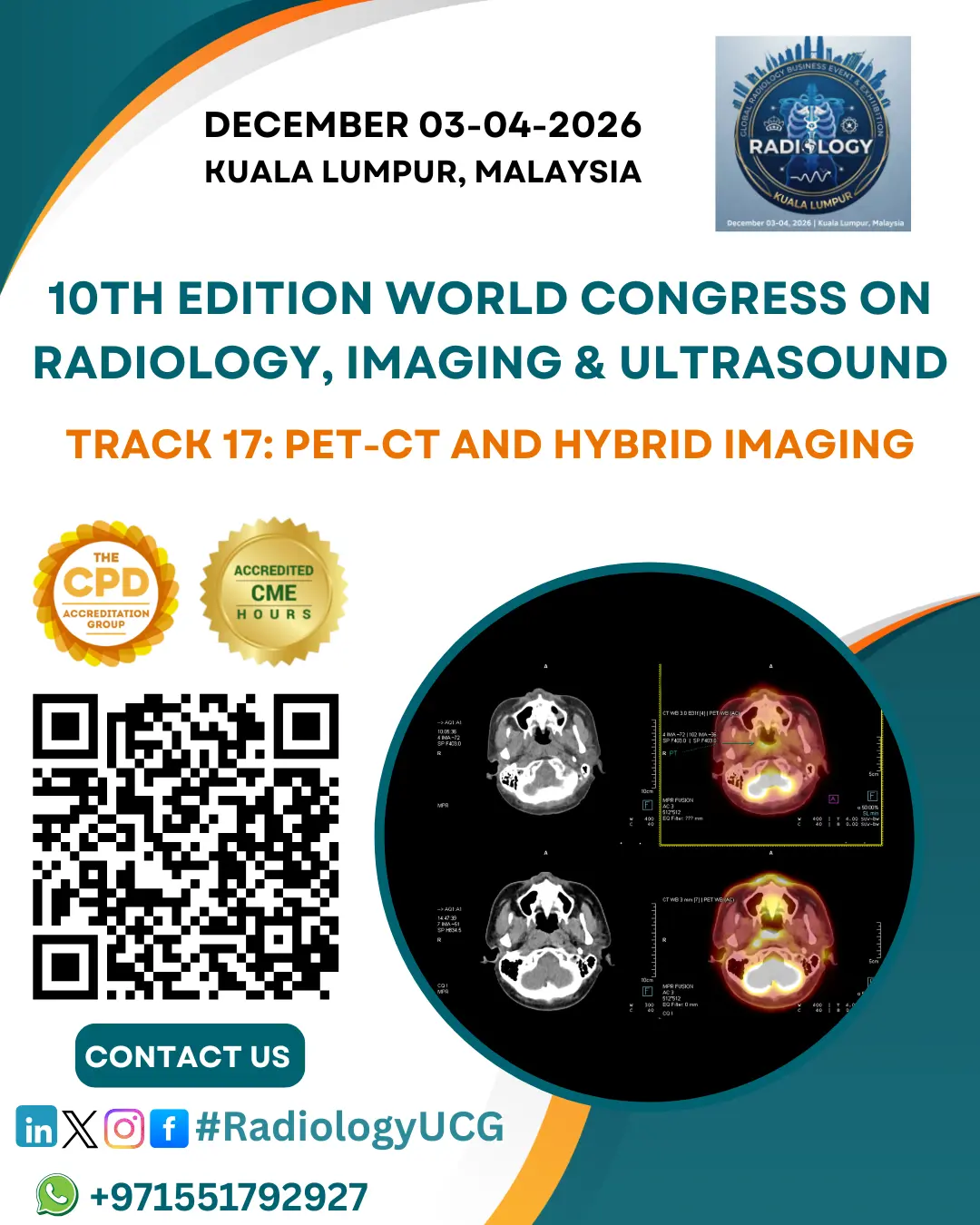
PET-CT (Positron Emission Tomography–Computed Tomography) and other hybrid imaging systems combine functional and structural imaging in a single examination. PET visualizes metabolic and physiological activity, while CT provides detailed anatomical information. Together, they enable more accurate detection, localization, and monitoring of diseases.
Hybrid imaging has transformed medical diagnosis by allowing observation of disease processes at both molecular and structural levels. In oncology, PET-CT locates tumors, evaluates their spread, monitors treatment response, and detects recurrence. In neurology, it assesses brain metabolism and aids in diagnosing conditions such as dementia or seizure disorders. In cardiology, PET-CT evaluates heart muscle viability and blood flow.
Emerging technologies like PET-MRI offer higher soft-tissue contrast and lower radiation exposure, particularly beneficial in neurological and pediatric imaging. Continued advancements in hybrid imaging support precise diagnosis, personalized treatment planning, and improved patient outcomes.