
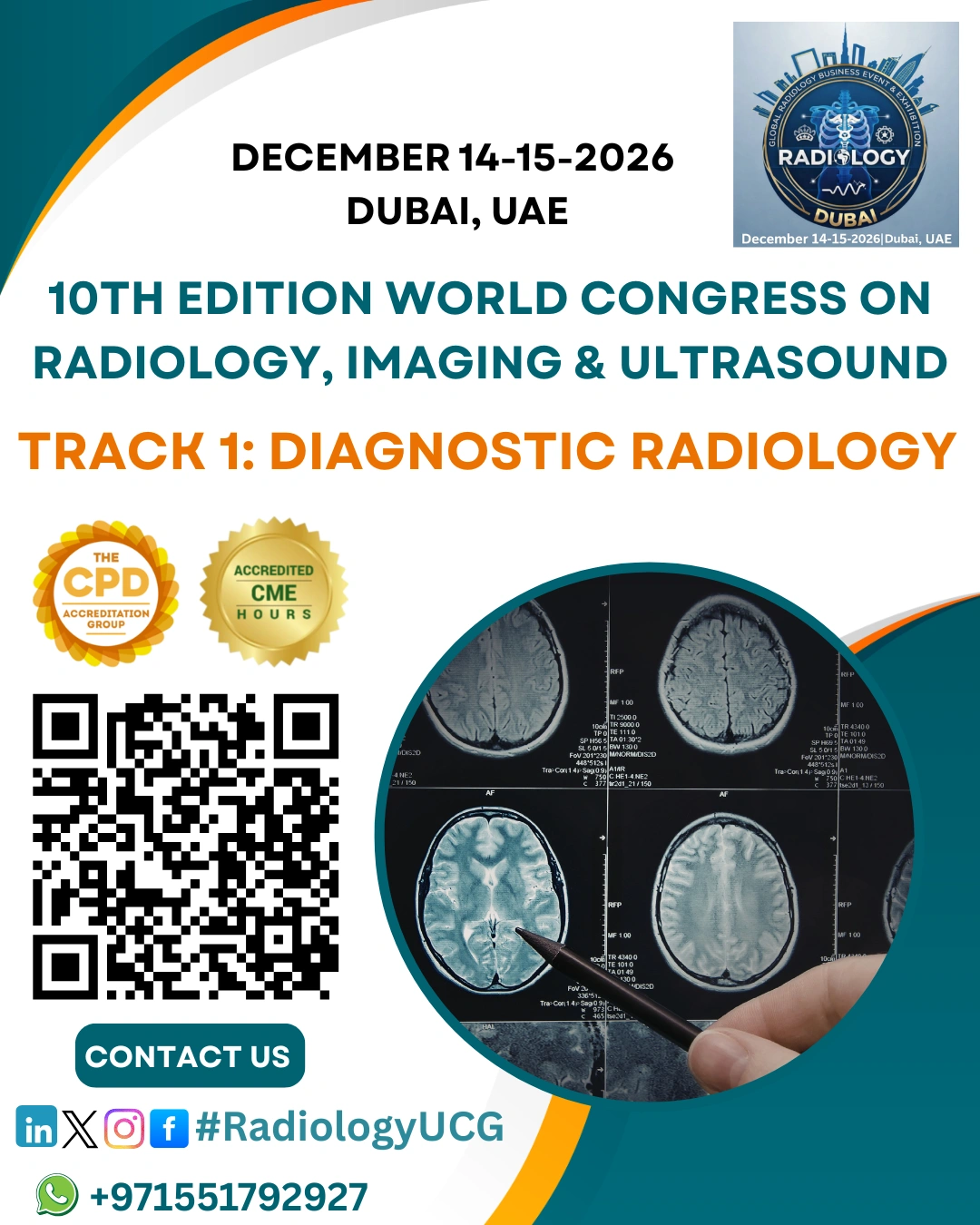
Sub Topics: Diagnostic Radiology is a vital field in modern healthcare...
Sub Tracks:
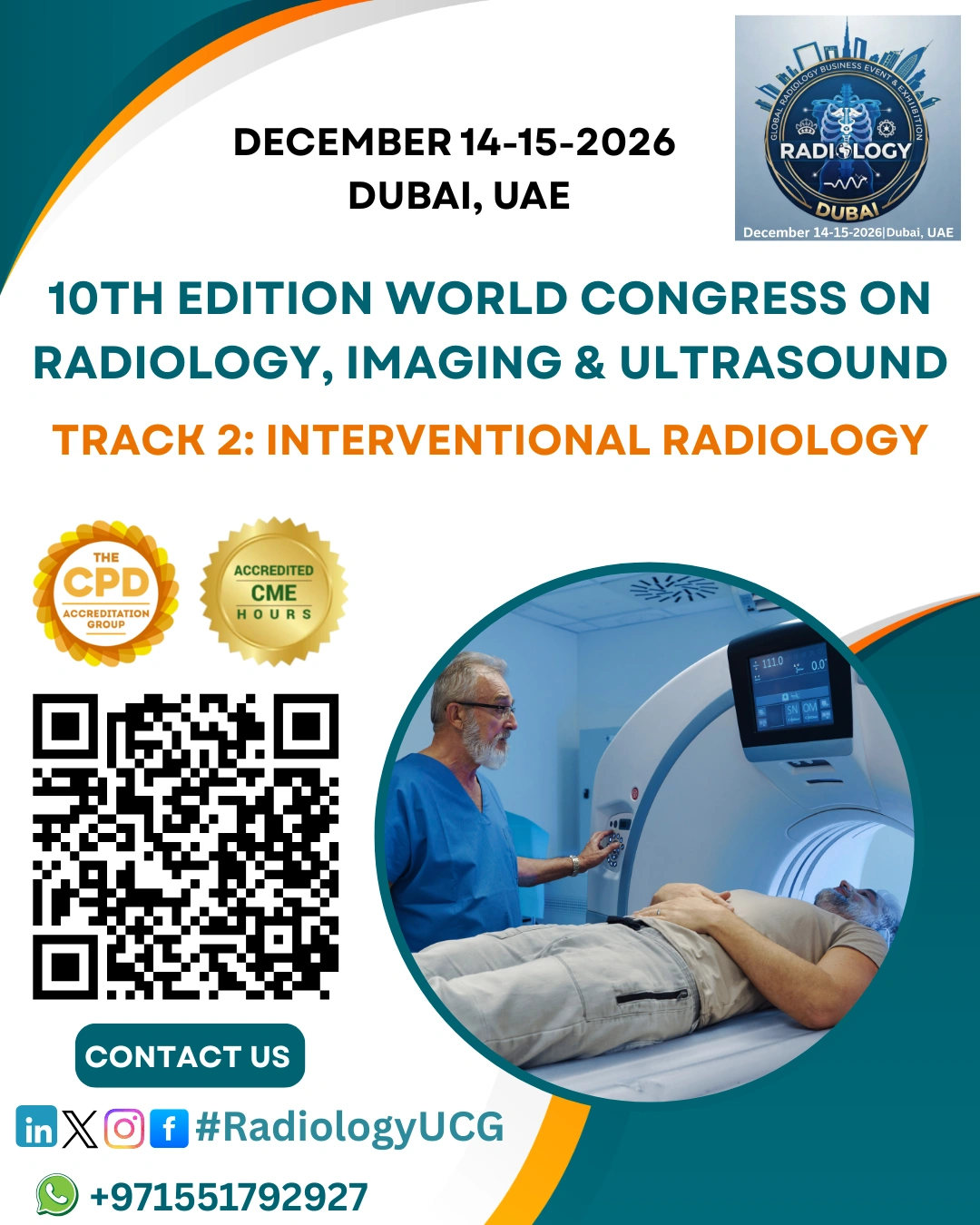
Interventional Radiology (IR) is a rapidly advancing medical specialty that...
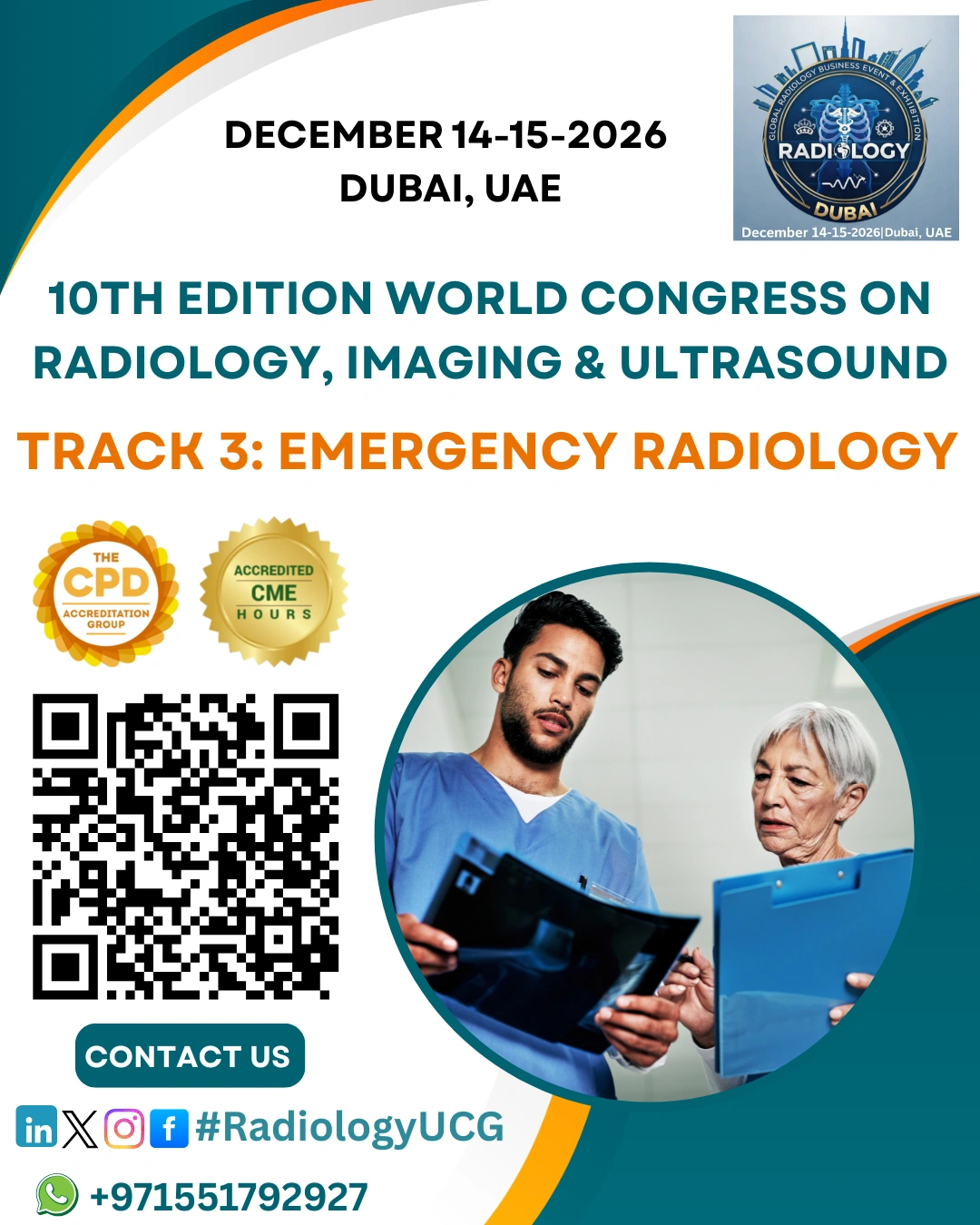
Emergency Radiology is a vital subspecialty of radiology focused on the rapid imaging assessment and diagnosis of patients experiencing sudden injuries or acute medical conditions. It plays a central role in emergency departments, trauma centers, and critical care units, where quick and accurate imaging can guide immediate treatment and improve patient survival. Emergency radiologists interpret X-rays, CT scans, MRI, and Ultrasound in real time to identify conditions such as fractures, internal bleeding, stroke, pulmonary embolism, chest trauma, and neurological emergencies.
A core component of Emergency Radiology is the implementation of standardized imaging protocols, which help ensure accuracy, reduce delays, and support effective triage. Point-of-Care Ultrasound (POCUS) is often used at the bedside to provide instant diagnostic insight, particularly in trauma and shock situations. Close teamwork and clear communication among radiologists, emergency physicians, surgeons, and critical care staff are essential for rapid clinical decision-making. Continuous 24/7 radiology service availability, including teleradiology support, ensures emergency imaging needs are met at all times.
By providing timely, precise, and clinically relevant diagnostic information, Emergency Radiology significantly enhances patient outcomes and supports life-saving medical interventions.
Emergency Imaging, Trauma Care, Acute Diagnosis, CT Scan, MRI, X-ray, POCUS, Stroke Imaging, Triage, Critical Care, Rapid Reporting, Internal Bleeding, Fracture Detection, Chest Emergencies, Neuroimaging, Endovascular Response, Mass Casualty, Radiology Workflow, Urgent Interpretation, Life-Saving Decisions.