
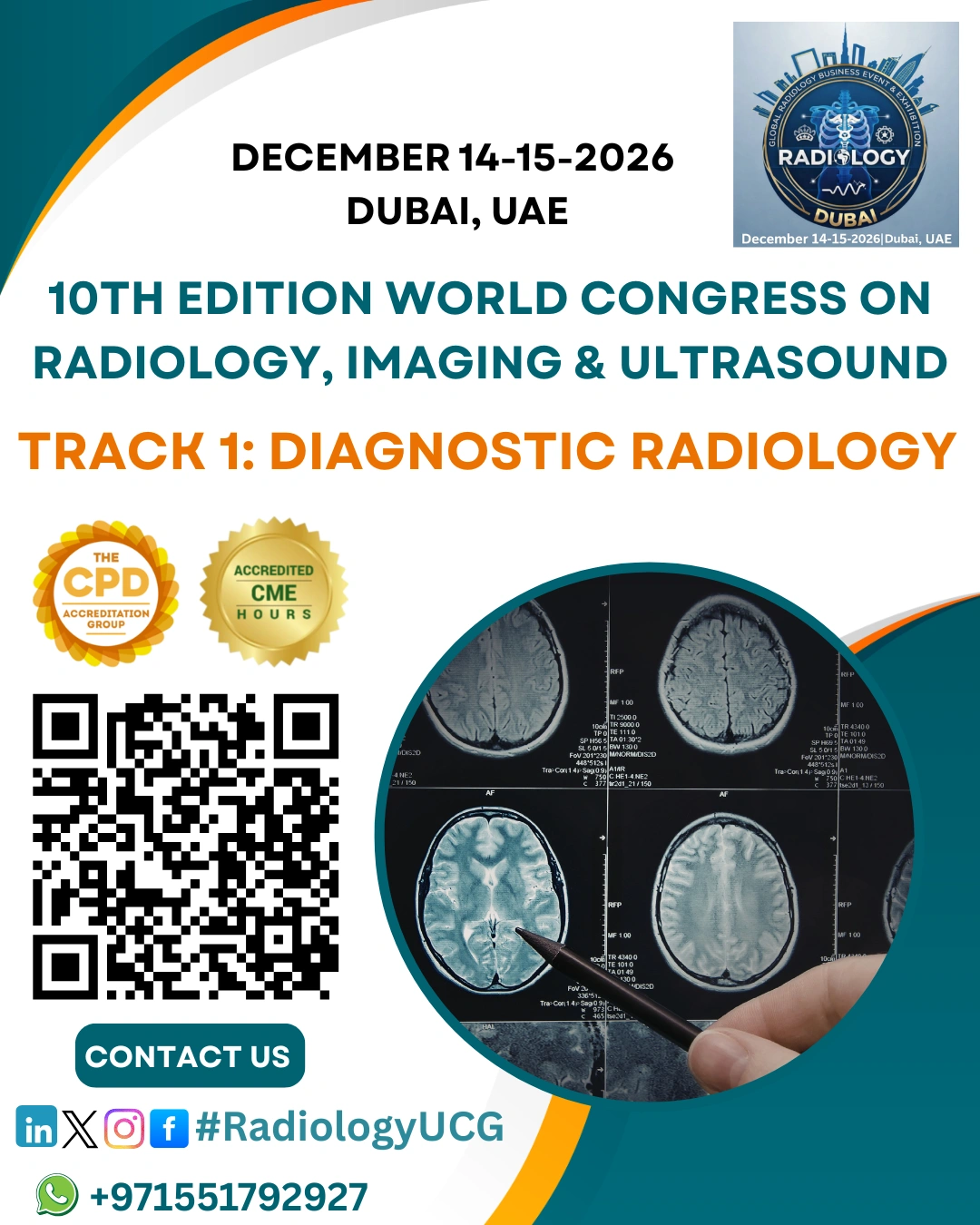
Sub Topics: Diagnostic Radiology is a vital field in modern healthcare...
Sub Tracks:
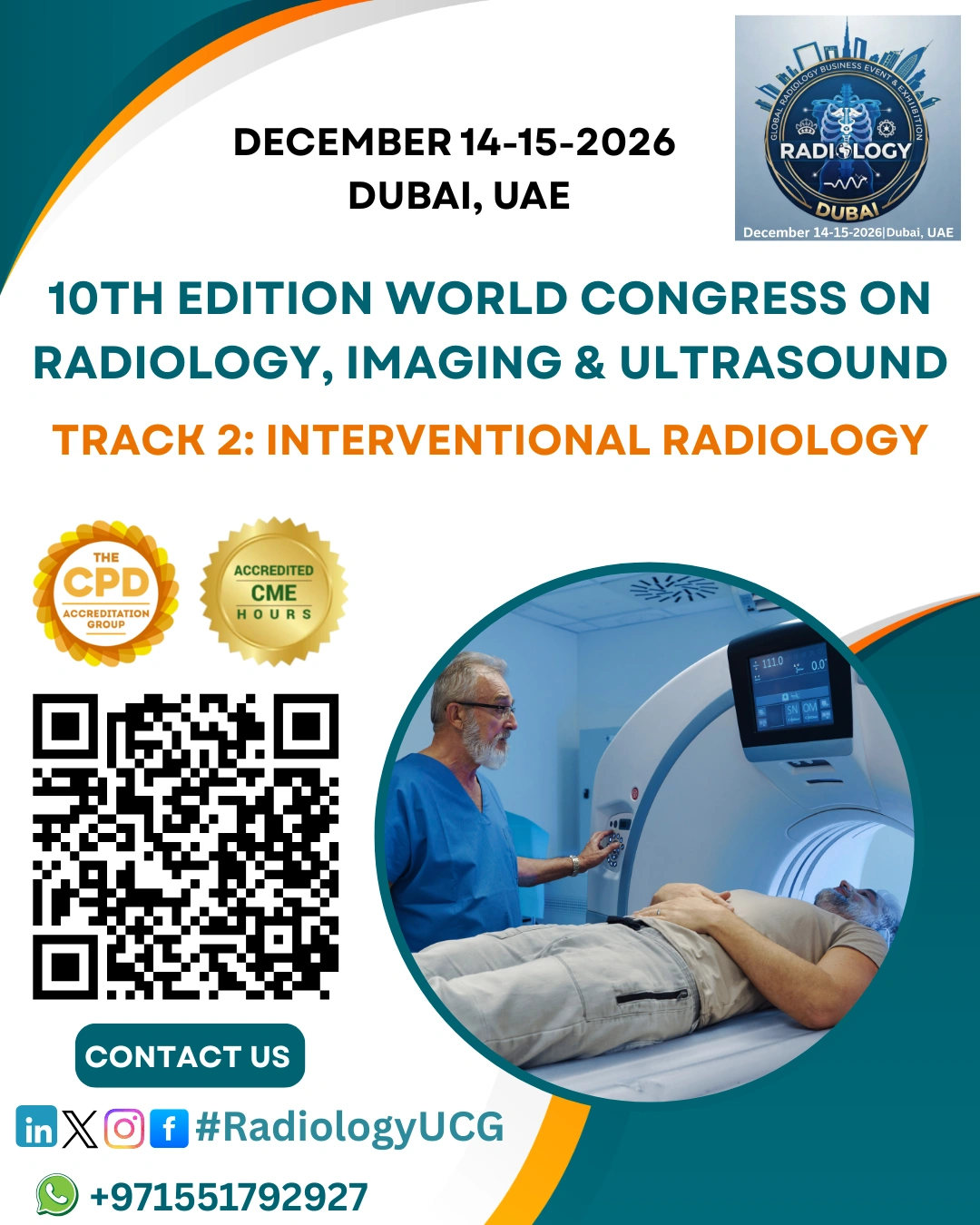
Interventional Radiology (IR) is a rapidly advancing medical specialty that...
Interventional Radiology (IR) is a rapidly advancing medical specialty that focuses on the use of minimally invasive, image-guided techniques to diagnose and treat various medical conditions. By utilizing imaging modalities such as Ultrasound, CT, MRI, and Fluoroscopy, interventional radiologists guide specialized instruments like catheters, guidewires, and needles inside the body through small incisions. These procedures offer significant advantages over traditional open surgery, including less pain, minimal scarring, reduced risk of complications, shorter hospital stays, and faster recovery, greatly enhancing patient comfort and outcomes.
The field of IR covers a broad range of vascular and non-vascular interventions. Common vascular procedures include angioplasty, stent placements, and endovascular repair to treat artery blockages and aneurysms. Non-vascular procedures include image-guided biopsies, fluid drainage, tumor embolization, and targeted cancer therapies such as radiofrequency ablation and chemoembolization, which allow precise treatment while protecting healthy tissue. Neuro-Interventional Radiology further extends these techniques to treat stroke, brain aneurysms, and other neurological conditions through minimally invasive access.
Career roles in this specialty are diverse. Interventional Radiologists perform advanced clinical procedures and collaborate with multidisciplinary teams. IR Technologists assist in imaging operations, procedure setup, and patient support. Specialists may pursue subfields such as Interventional Oncology or Endovascular Therapeutics for focused practice.
To pursue this career, physicians must complete a Medical Degree, a Diagnostic Radiology Residency, and a specialized Interventional Radiology Fellowship. Radiologic technologists require formal technical training and certification in interventional procedures. Membership in professional organizations such as SIR, CIRSE, and APSCVIR promotes continued growth and global recognition.
Interventional Radiology stands at the forefront of precision and patient-centered care, providing effective treatment solutions with minimal surgical impact.
Interventional Radiology, Image-Guided Therapy, Catheters, Angioplasty, Stenting, Embolization, Biopsy, Ablation, Endovascular, Fluoroscopy, Ultrasound-Guided, Minimally Invasive, Tumor Therapy, Vascular Access, Neoinnervation.