
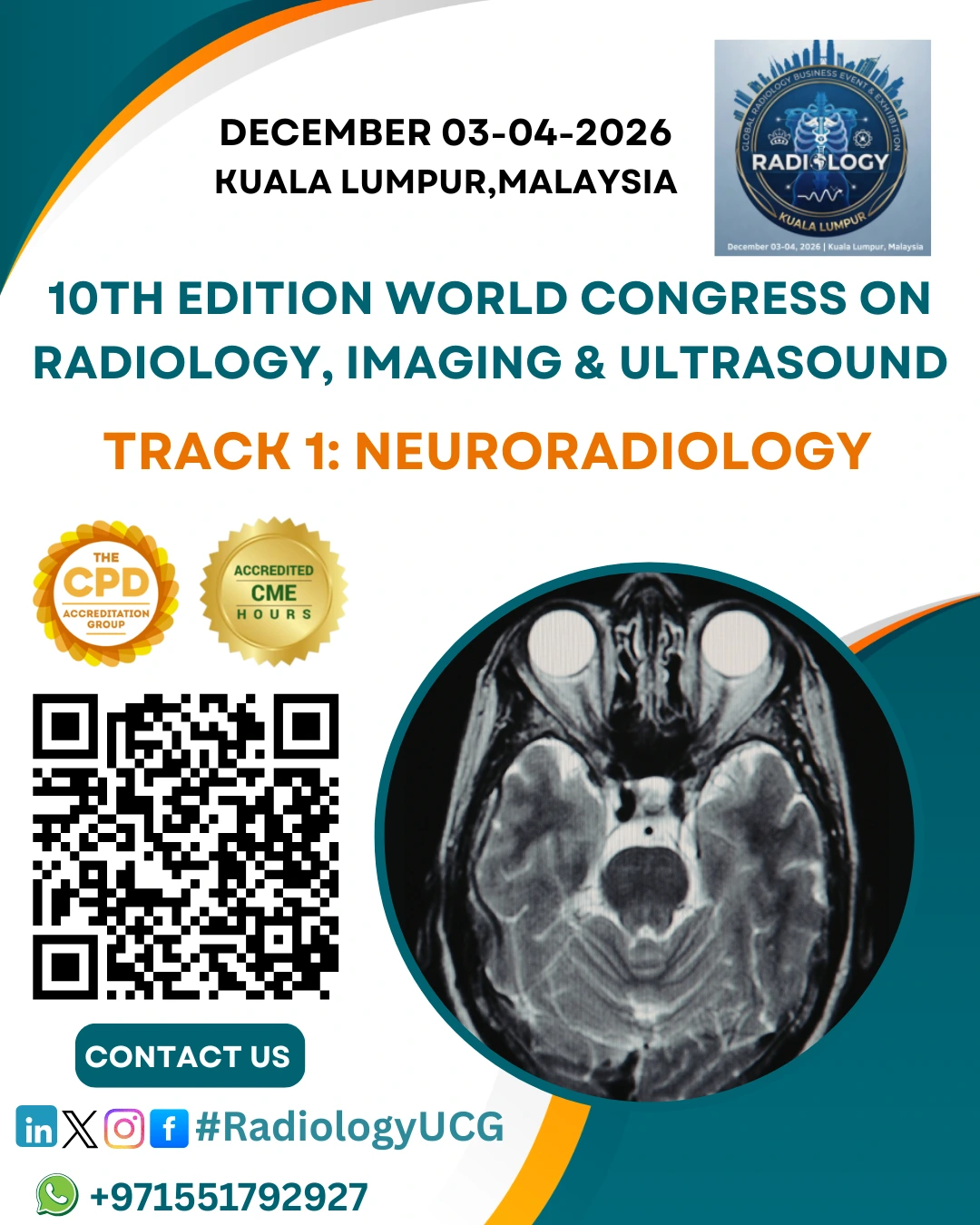
Sub Topic: Neuroradiology
Neuroradiology is a specialized branch of Diagnostic Radiology that...
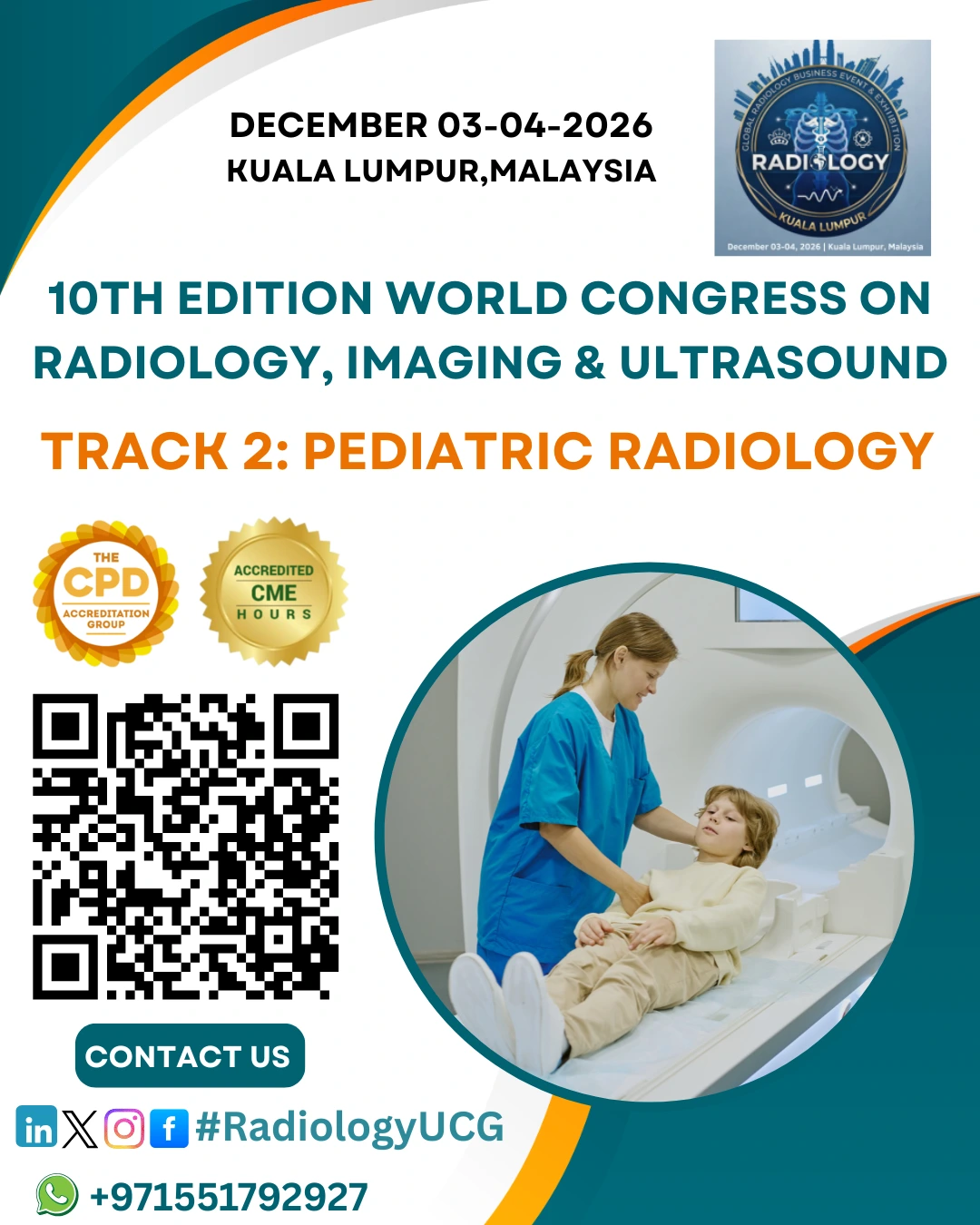
Sub Tracks: Pediatric Radiology
Pediatric Radiology is a specialized branch of radiology...
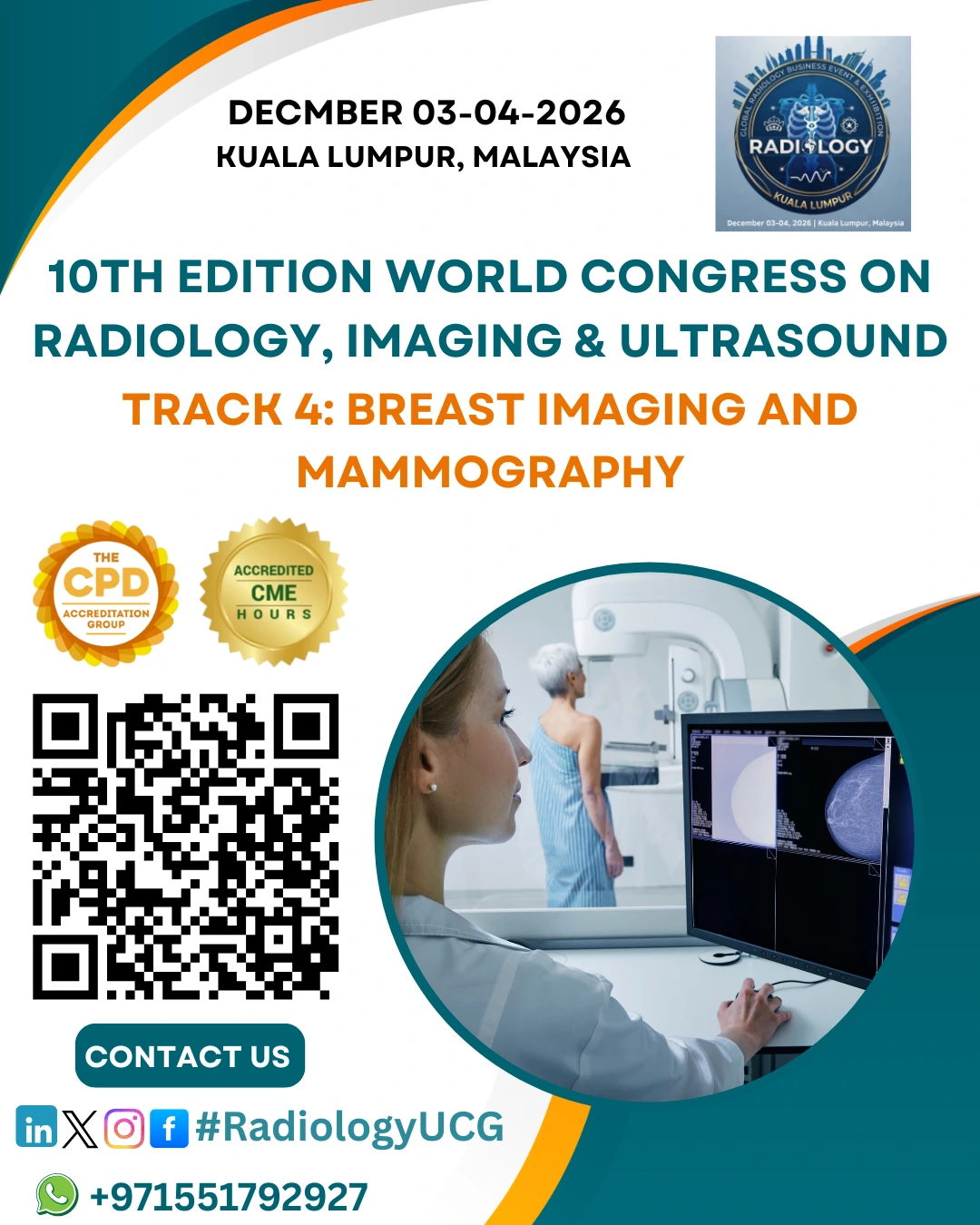
Breast Imaging and Mammography is a specialized subspecialty of radiology focused on the detection, diagnosis, and monitoring of breast diseases, particularly breast cancer. Using advanced imaging technologies such as Mammography, Ultrasound, Magnetic Resonance Imaging (MRI), and emerging techniques like Digital Breast Tomosynthesis (3D Mammography), radiologists can visualize breast tissue with high precision. This enables early identification of abnormalities such as tumors, cysts, calcifications, and other structural changes.
A central role of breast imaging is early detection, as breast cancer often develops without noticeable symptoms in its initial stages. Screening mammography plays a critical role in identifying cancer at an early, more treatable stage, significantly improving survival rates. Diagnostic imaging is further used to evaluate suspicious findings, guide biopsies, and monitor treatment response.
Breast imaging specialists work closely with oncologists, surgeons, pathologists, and primary care physicians to ensure accurate diagnosis and effective treatment planning. Their expertise is essential in both routine screening programs and high-risk patient management, as well as in pre- and post-surgical assessment.
Modern breast imaging also contributes to medical research and innovation. Advanced techniques such as contrast-enhanced MRI, elastography, and AI-assisted image analysis improve detection accuracy, reduce false positives, and support personalized care. Image-guided procedures, including core needle biopsy and localization techniques, allow precise sampling and treatment planning while minimizing invasiveness.
In addition, breast imaging plays an important role in patient education and follow-up care. Radiologists help patients understand screening results, diagnostic findings, and treatment pathways, supporting informed decision-making and long-term monitoring.
By combining early detection, advanced imaging technologies, and multidisciplinary collaboration, breast imaging and mammography significantly enhance patient outcomes and remain a cornerstone of women’s healthcare.