
Sub Topic: Neuroradiology
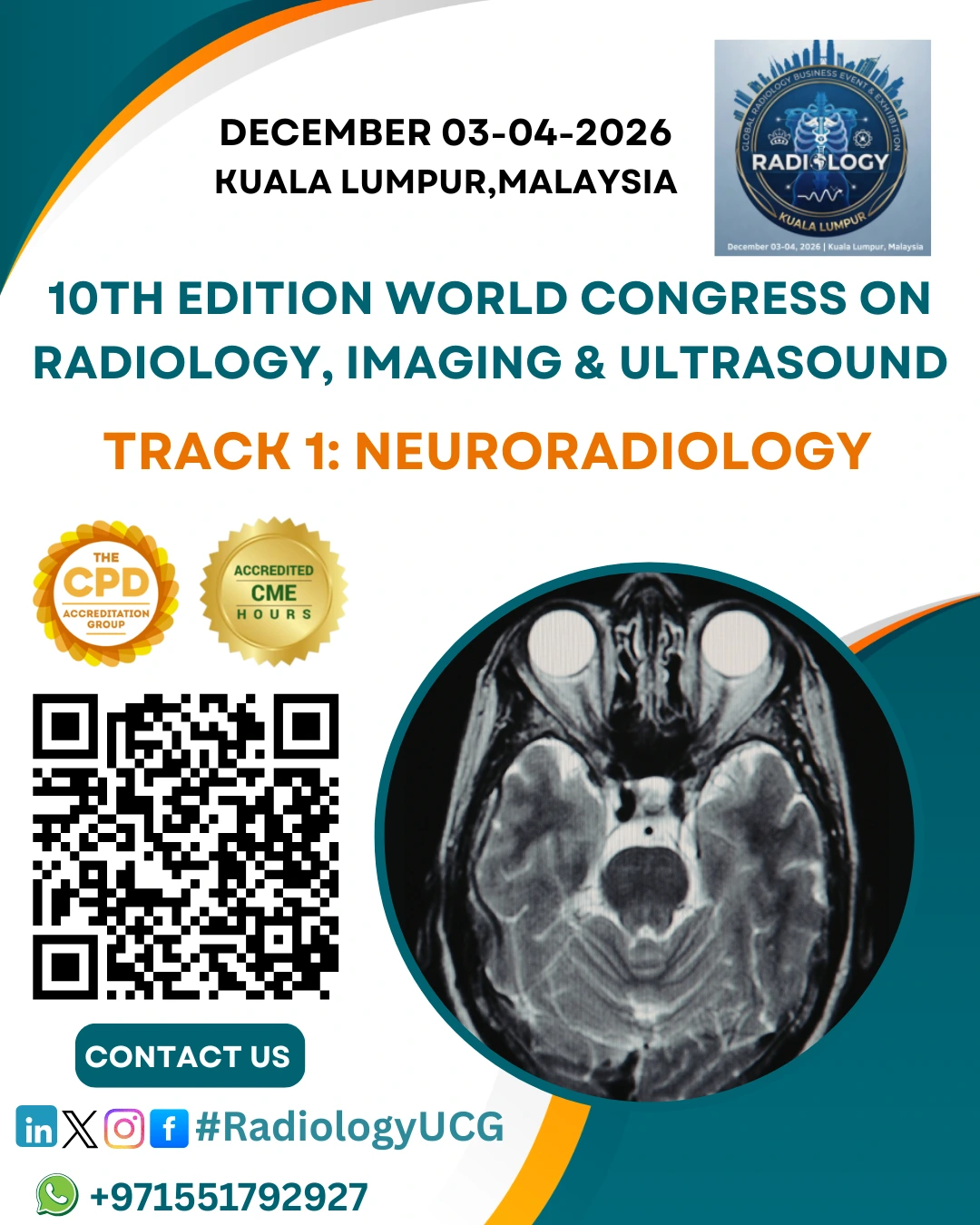
Neuroradiology is a specialized branch of Diagnostic Radiology that...
Sub Tracks: Pediatric Radiology
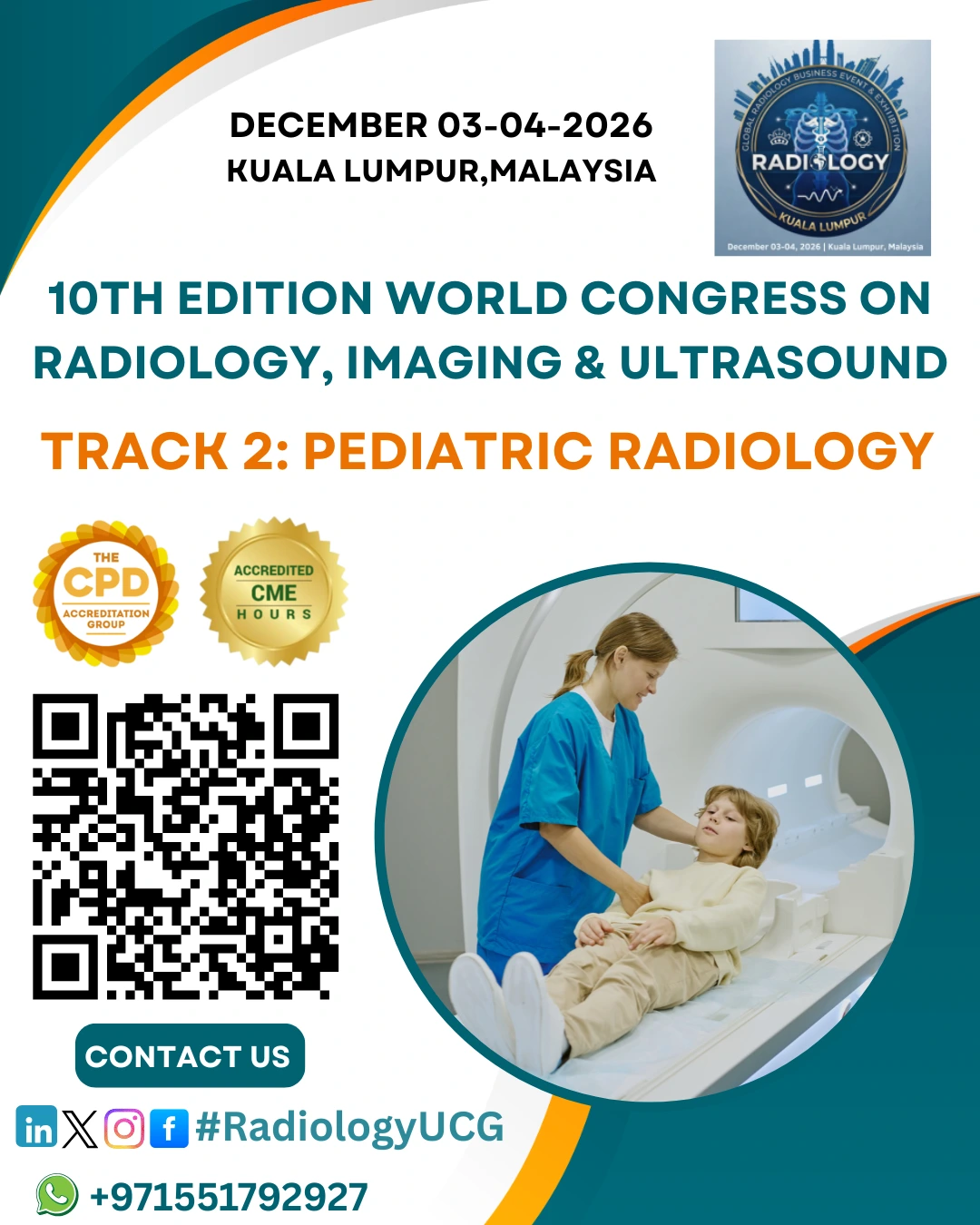
Pediatric Radiology is a specialized branch of radiology...
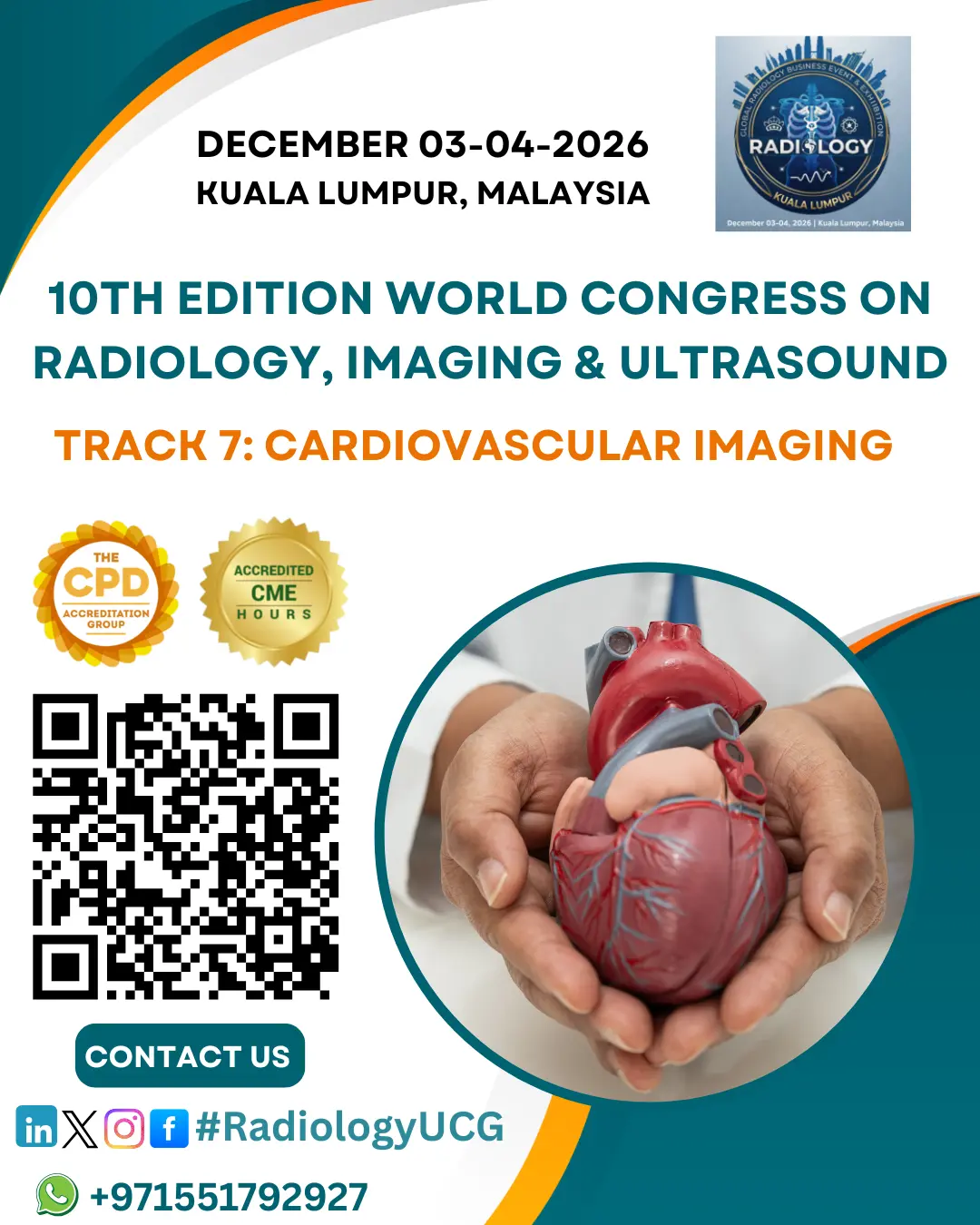
Cardiovascular imaging plays a crucial role in the early detection, diagnosis, and management of heart and vascular diseases. As cardiovascular diseases remain one of the leading causes of mortality worldwide, advanced imaging techniques have significantly improved the ability to identify abnormalities at an early stage—when interventions are most effective. Continuous innovations in imaging technology are enhancing diagnostic precision, patient safety, and personalized treatment planning.
Heart and vascular conditions, including coronary artery disease, heart failure, and structural abnormalities, often develop silently before symptoms appear. Early detection through cardiovascular imaging improves survival rates, reduces complications, and minimizes the need for invasive procedures. These imaging methods provide detailed visualization of cardiac structures, blood vessels, and blood flow dynamics, enabling clinicians to detect blockages, tissue damage, and functional impairments with high accuracy.
Echocardiography:
A widely used, non-invasive technique that employs ultrasound waves to assess heart structure, function, and blood flow in real time.
Computed Tomography (CT) Coronary Angiography:
Uses advanced CT imaging to visualize coronary arteries and detect blockages or plaque buildup with high spatial resolution.
Cardiac Magnetic Resonance Imaging (MRI):
Provides detailed images of heart anatomy, tissue characterization, and function without radiation exposure; useful in diagnosing cardiomyopathies and congenital heart diseases.
Nuclear Cardiology (PET/SPECT):
Evaluates myocardial perfusion and viability by tracking blood flow and metabolic activity within the heart.
Invasive Coronary Angiography:
A catheter-based imaging technique considered the gold standard for assessing coronary artery disease and guiding interventional procedures.
AI-Enabled Image Analysis:
Artificial intelligence enhances image interpretation, improves diagnostic accuracy, and reduces clinician workload.
4D Flow Imaging:
Advanced MRI techniques allow visualization and quantification of complex blood flow patterns over time.
Hybrid Imaging Systems (PET/CT, PET/MRI):
Combine anatomical and functional imaging for more comprehensive cardiovascular assessment.
Portable and Point-of-Care Imaging Devices:
Expands access to cardiovascular diagnostics in rural and resource-limited settings.
Cardiovascular imaging supports: