Ultrasound Imaging in Head and Neck Radiology
What is Ultrasound Imaging?
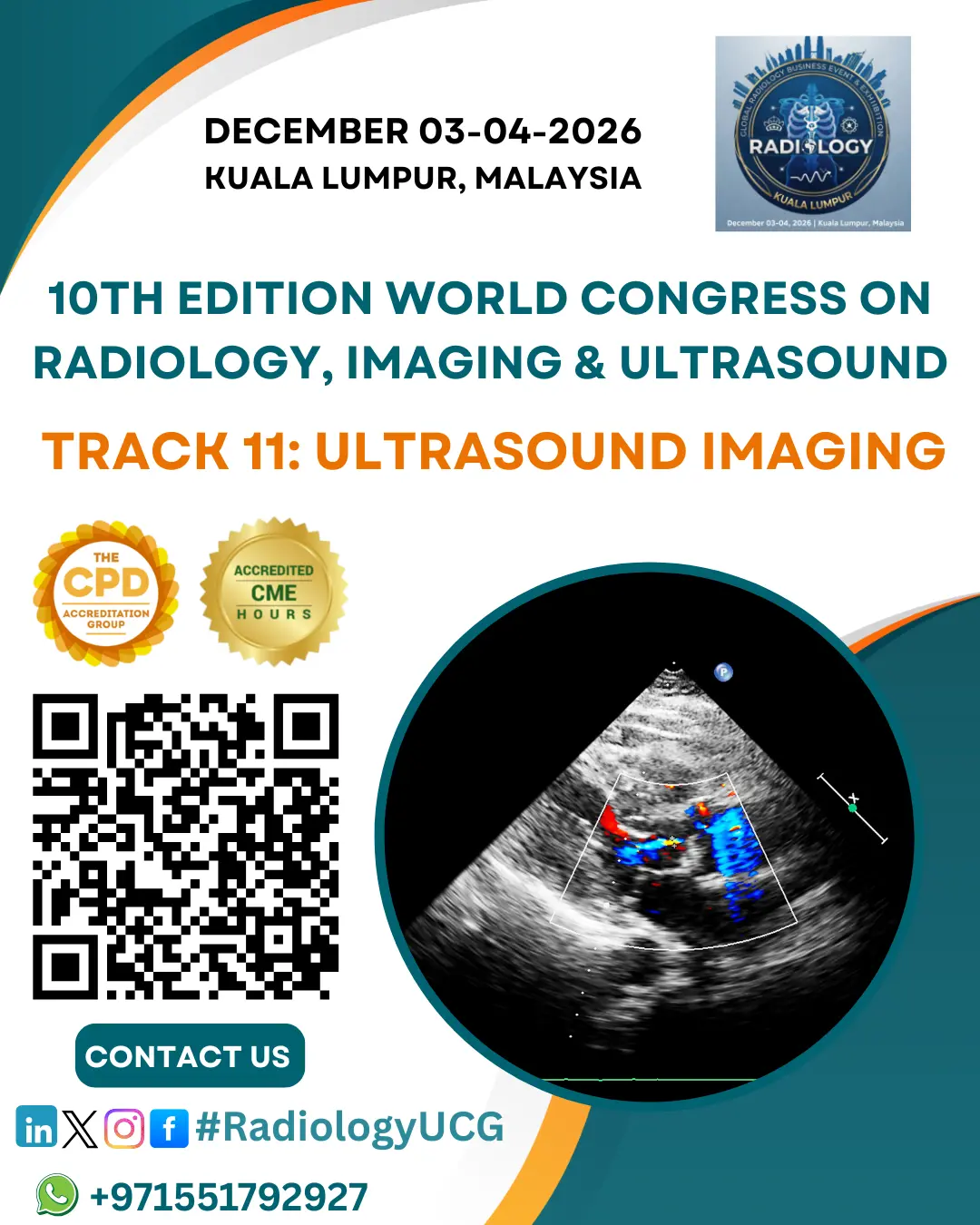
Ultrasound imaging is a non-invasive, real-time diagnostic technique that uses high-frequency sound waves to evaluate structures in the head and neck region. It is particularly effective for assessing the thyroid gland, salivary glands, lymph nodes, and superficial soft tissues.
Role of Ultrasound in Head and Neck Imaging
Ultrasound plays a crucial role in clinical practice due to its accessibility, safety, and real-time capabilities:
-
Provides detailed evaluation of thyroid nodules, cysts, and inflammatory conditions
-
Assesses salivary gland disorders such as stones, infections, and tumors
-
Helps in the examination of cervical lymph nodes for infection or malignancy
-
Enables real-time guidance for procedures like fine-needle aspiration cytology (FNAC) and biopsies
-
Useful in evaluating superficial masses and vascular abnormalities using Doppler imaging
Technological Advantages
Recent advances have improved the diagnostic performance of ultrasound:
-
High-resolution probes enhance visualization of small structures
-
Doppler imaging allows assessment of blood flow and vascularity
-
Elastography helps differentiate benign from malignant lesions based on tissue stiffness
-
Portable ultrasound devices improve accessibility in various clinical settings
Positive Clinical Impact
-
Safe imaging modality with no radiation exposure
-
Allows rapid and cost-effective diagnosis
-
Facilitates minimally invasive, image-guided interventions
-
Supports early detection and monitoring of disease
-
Improves patient comfort due to its non-invasive nature
Potential Challenges
-
Operator-dependent technique requiring expertise for accurate interpretation
-
Limited ability to assess deep structures and areas obscured by bone or air
-
May require complementary imaging (CT or MRI) for comprehensive evaluation
Conclusion
Ultrasound imaging is an essential component of head and neck radiology, offering a safe, efficient, and cost-effective method for evaluating a wide range of conditions. Its real-time capabilities and role in guiding interventions make it invaluable in modern clinical practice, especially when combined with other imaging modalities for comprehensive patient care.