Radiogenomics and Genotype–Phenotype Imaging
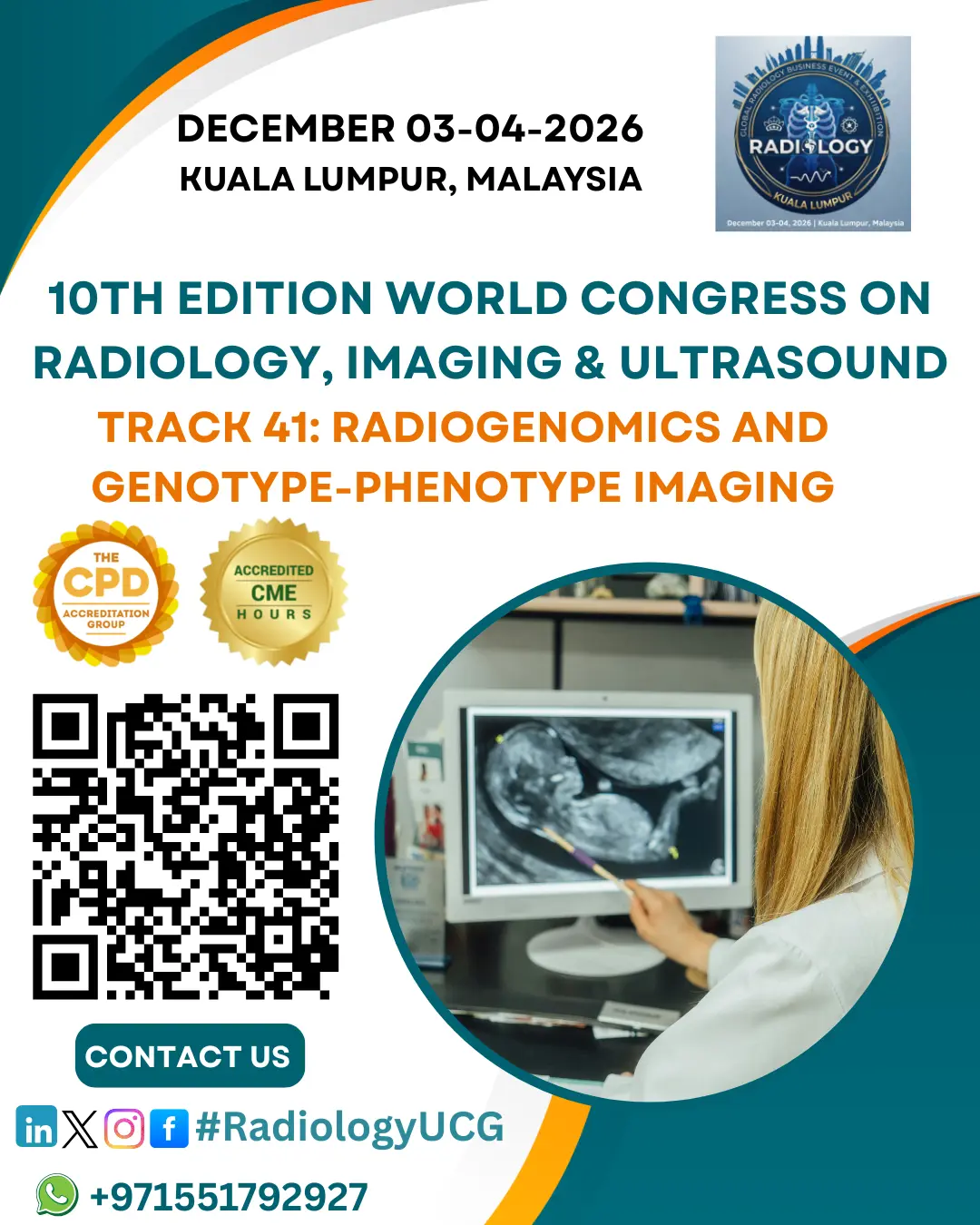
Radiogenomics and genotype–phenotype imaging study the relationship between genetic variations (genotype) and imaging characteristics (phenotype) observed on modalities such as MRI, CT, or ultrasound. By linking molecular and structural information, this field enhances understanding of disease behavior and supports improved clinical decision-making.
Key Concepts
-
Radiogenomics identifies how specific genes or gene expression patterns influence the visual appearance and progression of diseases.
-
Genotype–phenotype correlations help explain why certain imaging features are present in some patients but absent in others.
-
Imaging features derived from these correlations can serve as non-invasive biomarkers for diagnosis, treatment planning, and prognosis.
Methods
-
Quantitative Image Analysis: Extracts detailed imaging features that may not be visually apparent.
-
Genomic Profiling: High-throughput techniques, including sequencing and gene expression analysis, identify relevant genetic markers.
-
AI and Machine Learning: Analyze large imaging and genomic datasets to detect predictive patterns and relationships.
Clinical Applications
-
Oncology: Assesses tumor behavior, predicts treatment response, and evaluates disease aggressiveness without repeated biopsies.
-
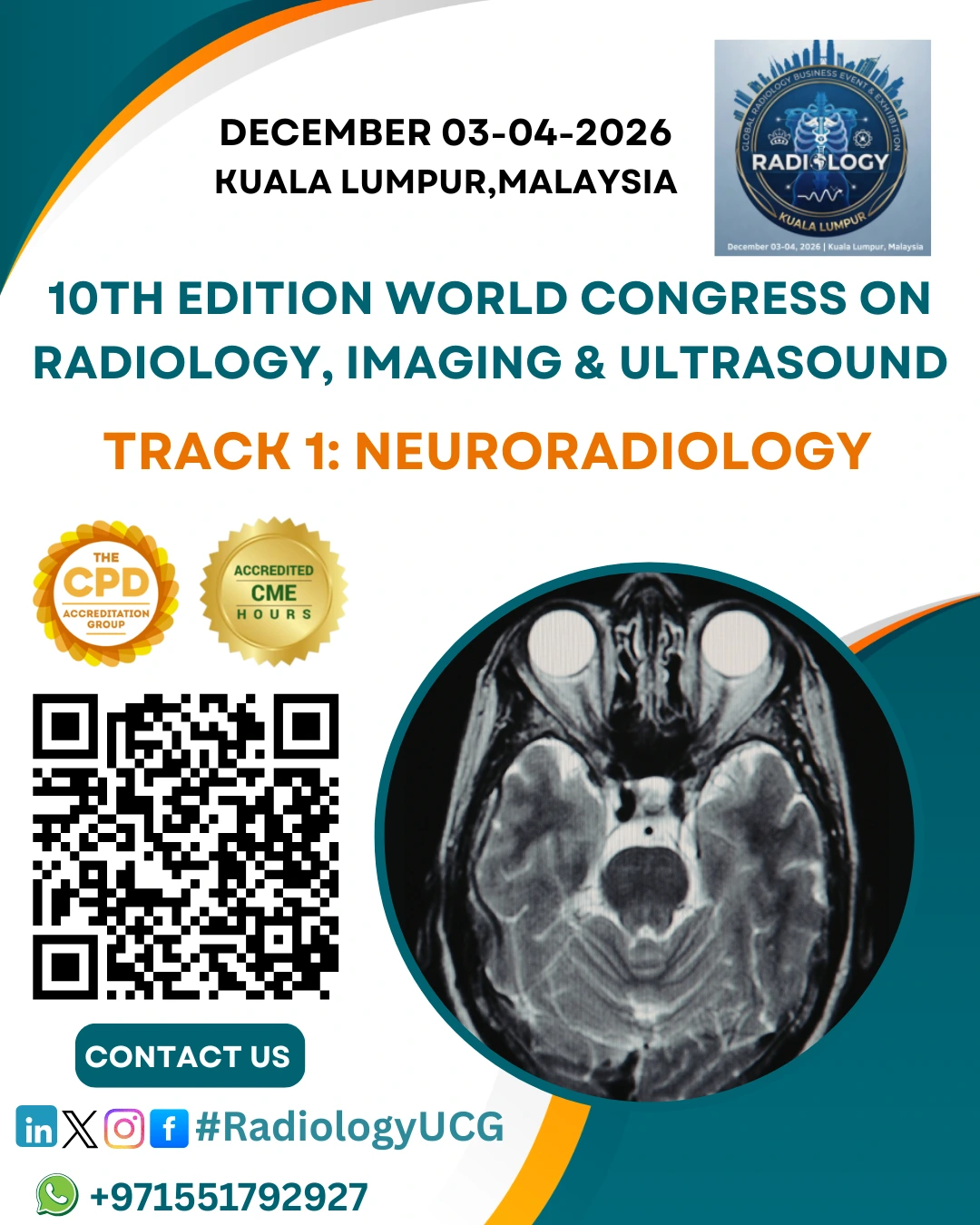
Neurology: Supports study of developmental brain disorders, neonatal encephalopathy, and congenital conditions by linking imaging patterns with genetic variations.
-
Cardiology: Aids evaluation of congenital heart diseases and inherited cardiomyopathies.
Relevance in Neonatal and Pediatric Medicine
-
Enables early identification of genetic and metabolic disorders presenting in the neonatal period.
-
Supports early diagnosis of congenital brain malformations and predicts neurological development outcomes in preterm infants.
-
Guides individualized therapeutic strategies and follow-up plans, reducing reliance on invasive testing and enhancing personalized care.
Importance
Radiogenomics integrates genetic information with imaging assessment to advance precision medicine. It improves understanding of disease mechanisms, enables patient-specific treatment planning, enhances outcome prediction, and facilitates early, targeted interventions—particularly in neonatal and pediatric care.