Point-of-Care Imaging and Portable Ultrasound
Overview
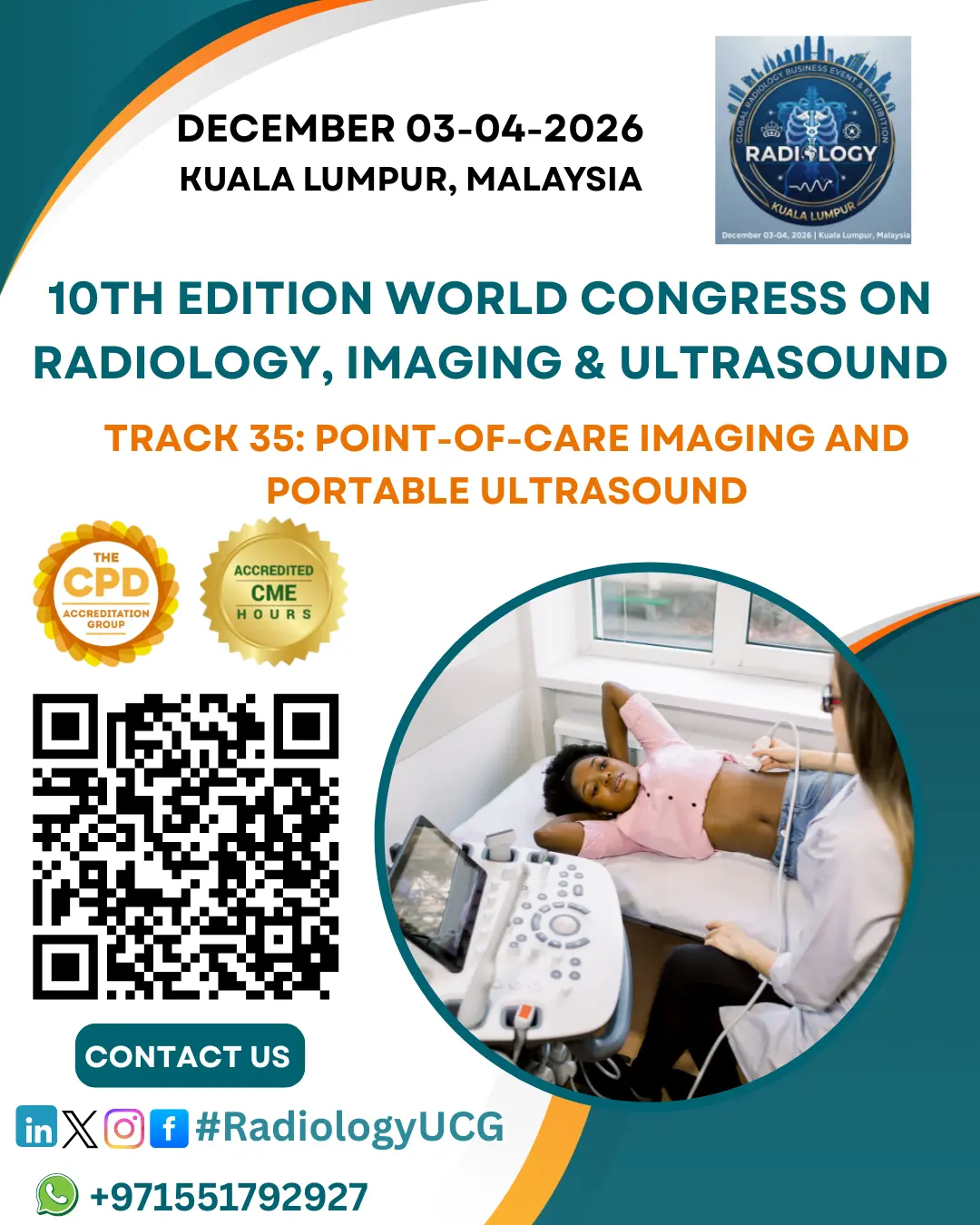
Point-of-care imaging (POCI) refers to diagnostic imaging performed at or near the patient’s location, enabling immediate assessment and treatment decisions. Portable ultrasound is a primary tool within POCI, providing real-time imaging without requiring patient transfer to specialized radiology departments.
Applications
-
Emergency Medicine
Rapid evaluation of trauma, internal bleeding, cardiac function, and lung conditions.
-
Critical Care
Continuous monitoring of heart, lungs, and abdominal organs in ICU patients.
-
Primary and Outpatient Care
Quick assessment of soft tissue injuries, abdominal pain, and prenatal health.
-
Procedural Guidance
Assists in central line placement, biopsies, and fluid drainage safely and accurately.
-
Remote and Rural Healthcare
Expands imaging access in settings lacking conventional radiology services.
Benefits
-
Immediate Diagnosis: Supports real-time clinical decision-making.
-
Reduced Patient Transport: Minimizes movement of critically ill patients.
-
Cost-Effective: Decreases dependency on full-scale imaging departments.
-
Safe and Non-Invasive: Ultrasound imaging avoids radiation exposure.
-
Enhanced Patient Engagement: Patients can view results instantly, improving understanding and compliance.
Technology and Trends
-
Handheld, lightweight devices with high-resolution imaging and Doppler capabilities.
-
Wireless connectivity for integration with electronic health records (EHRs).
-
AI-assisted imaging for automated measurements and abnormality detection.
-
Tele-ultrasound for remote guidance and specialist interpretation.