
Sub Topic: Neuroradiology
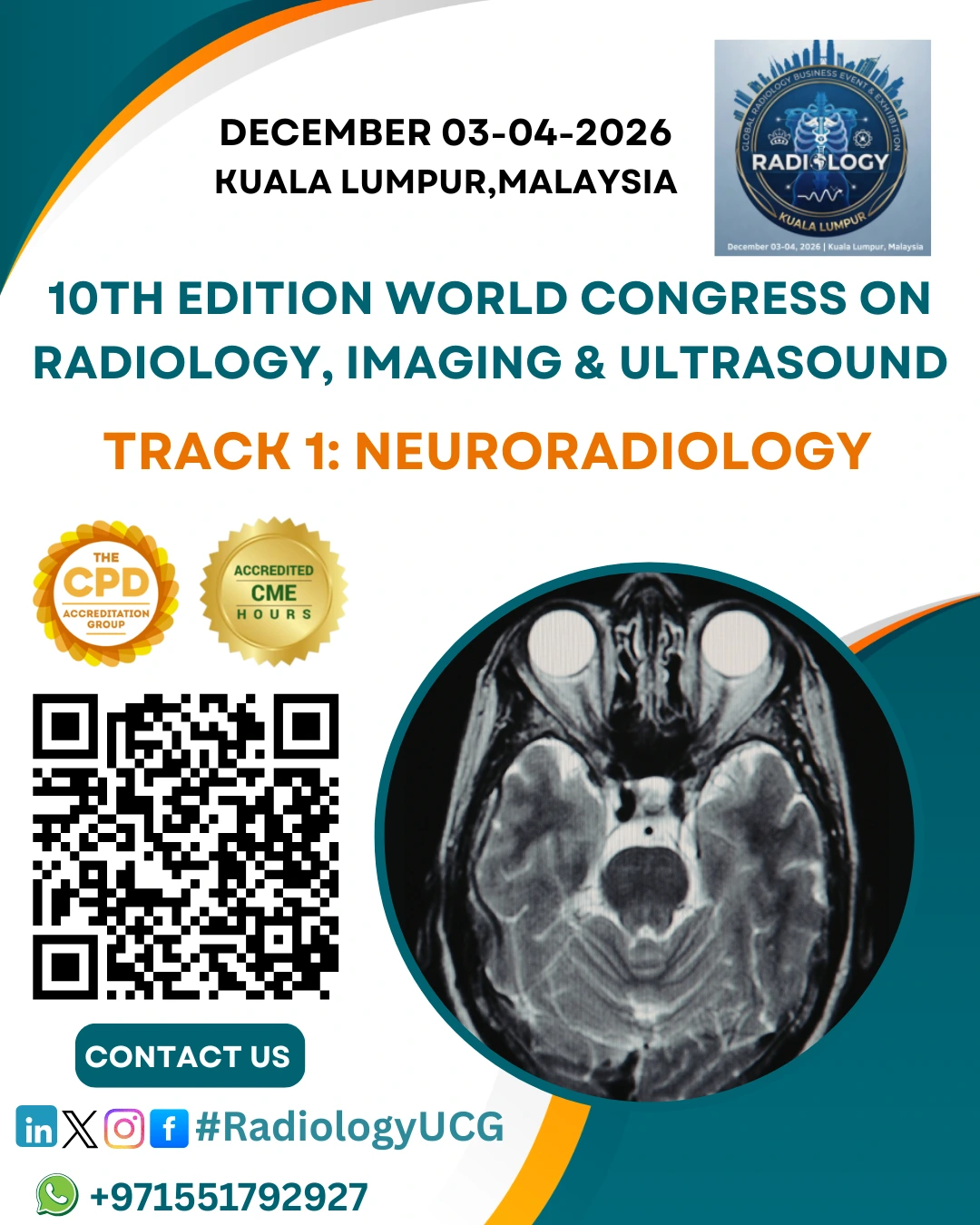
Neuroradiology is a specialized branch of Diagnostic Radiology that...
Sub Tracks: Pediatric Radiology
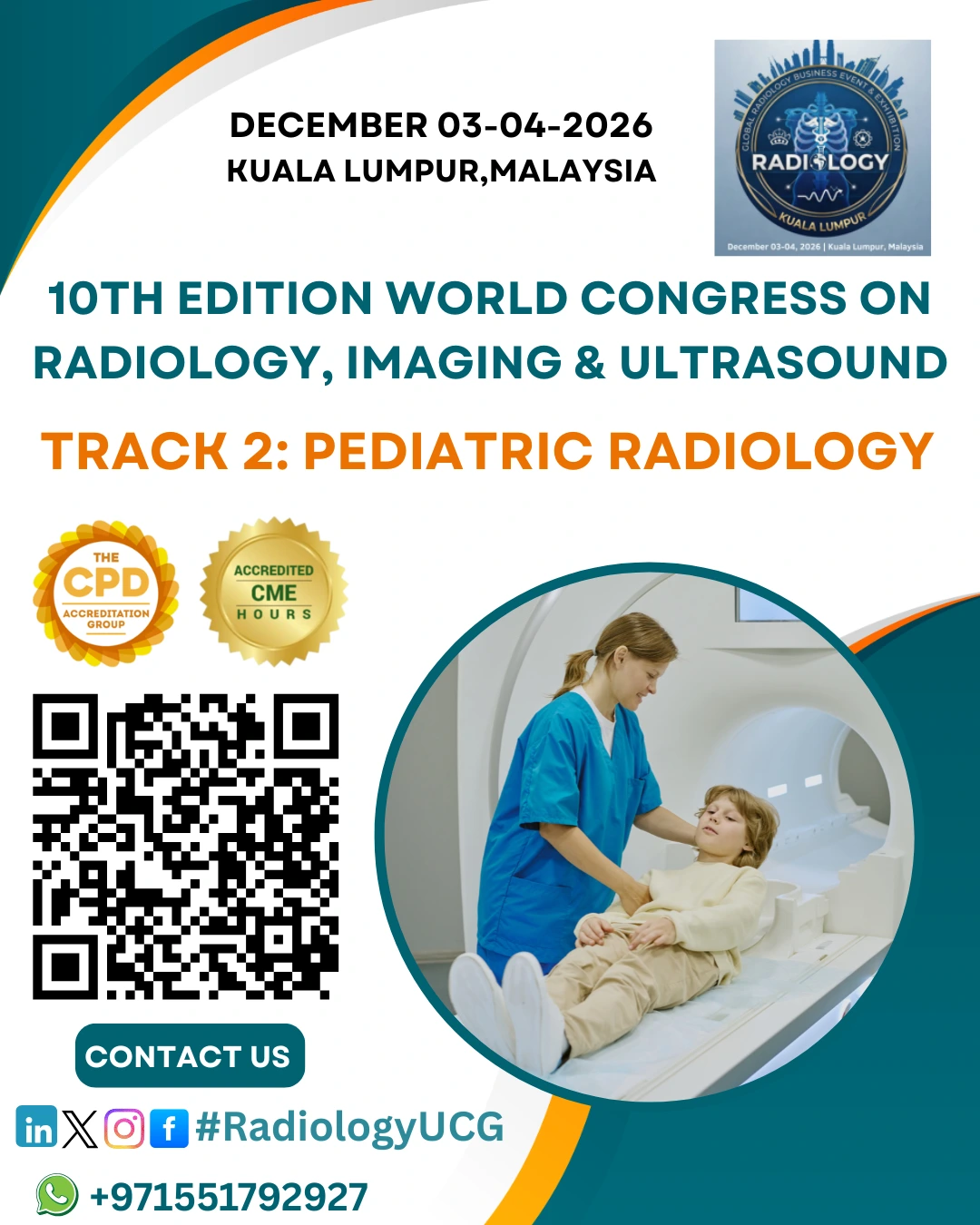
Pediatric Radiology is a specialized branch of radiology...
Multidisciplinary tumor boards (MDTBs) are a cornerstone of contemporary oncology, providing a structured platform for collaborative, patient-centered care. These meetings convene specialists across multiple disciplines—including radiology, pathology, medical oncology, surgical oncology, radiation oncology, nuclear medicine, palliative care, and oncology nursing—to review individual cases and determine optimal treatment strategies.
Imaging is central to MDTB decision-making, offering critical insights into tumor morphology, anatomical relationships, vascular involvement, locoregional spread, and distant metastases. Modalities such as CT, MRI, PET-CT, ultrasound, and specialized imaging protocols enable accurate staging and assessment of resectability. Radiologists interpret these studies, identifying subtle findings that may significantly influence treatment planning.
Advanced imaging techniques—including functional MRI, PET tracers beyond FDG, diffusion- and perfusion-based mapping, radiomics, and artificial intelligence—enhance diagnostic precision and support predictive treatment planning.
Pathology complements imaging by providing definitive tumor characterization, including subtype, grade, molecular profile, and biomarker expression. This information guides the selection of targeted therapies, chemotherapy, immunotherapy, or hormonal interventions. The integration of imaging and pathology facilitates precision medicine by aligning therapeutic strategies with both tumor biology and disease extent.
Throughout therapy, imaging is essential for monitoring disease response and adapting clinical management. Standardized response criteria—such as RECIST for anatomical changes and PERCIST for metabolic response—enable consistent evaluation of treatment efficacy, detection of recurrence, and planning of second-line or salvage therapies. Imaging also identifies treatment-related complications, allowing timely interventions to minimize morbidity.
MDTBs improve communication among specialists, reduce treatment delays, ensure consistency with evidence-based practice, and support shared decision-making with patients and families. This collaborative approach minimizes fragmented care and enhances clinical outcomes by aligning interventions with patient-specific needs.