
• +971551792927
  • info-ucg@utilitarianconferences.com
WhatsApp

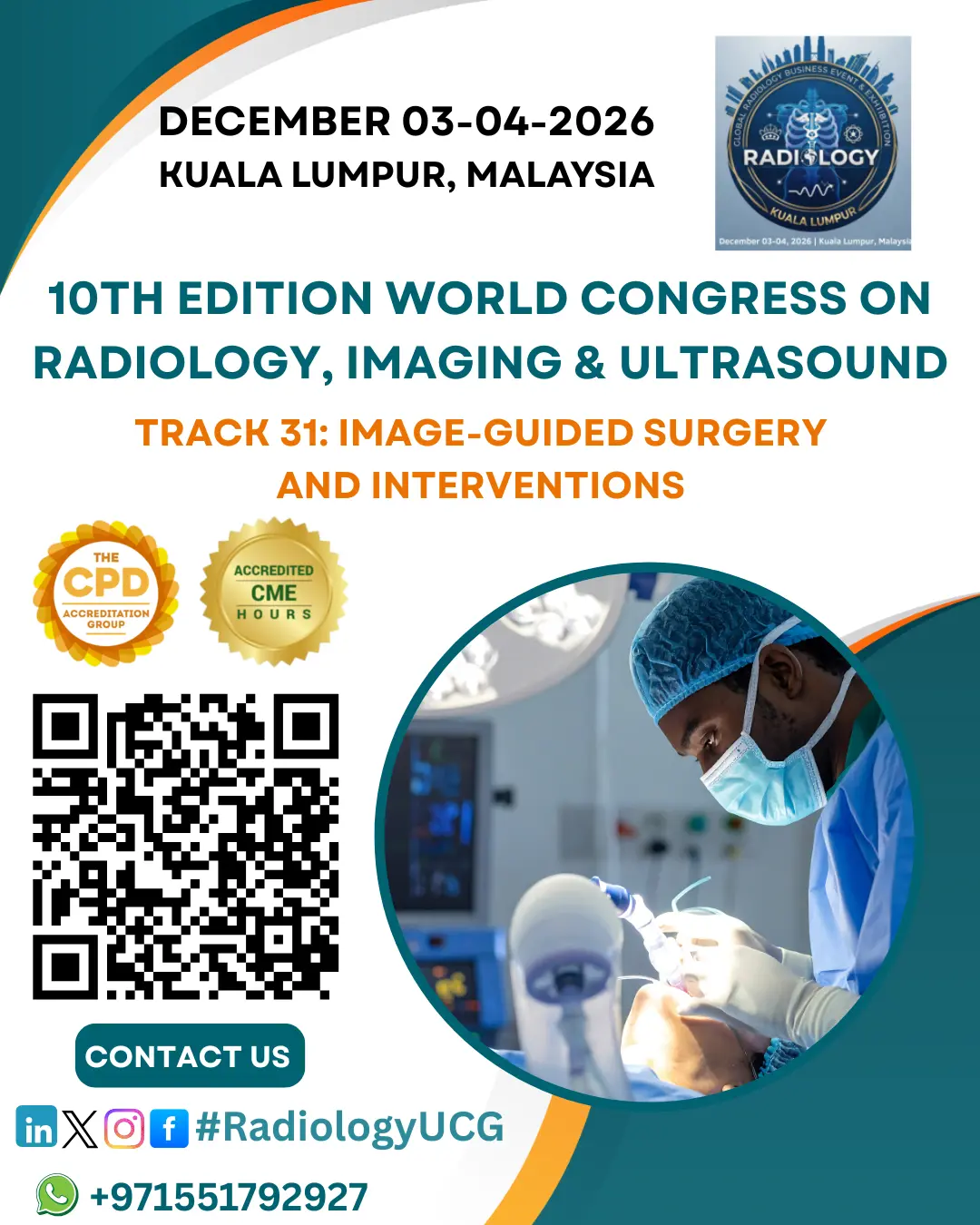
Track 31: Image-Guided Surgery and Interventions

Track 31: Image-Guided Surgery and Interventions

Image-Guided Surgery and Interventional Procedures

Image-guided surgery and interventions rely on real-time imaging technologies such as ultrasound, CT, MRI, and fluoroscopy to enhance accuracy, minimize invasiveness, and improve patient outcomes. Quality improvement in this field focuses on strengthening safety, consistency, and procedural efficiency while maintaining high clinical standards.

Identify Improvement Areas

  • Data Collection: Monitor key indicators such as accuracy of device placement, radiation exposure levels, complication and infection rates, procedure duration, and patient recovery outcomes. Utilize electronic health records and imaging system logs for standardized data review.

  • Needs Assessment: Identify performance gaps, including equipment-related variability, workflow delays, increasing procedure times, or inconsistent application of imaging protocols.

  • Stakeholder Input: Collaborate with surgeons, interventional radiologists, anesthesiologists, nurses, technologists, and patients to recognize challenges and gather insight for targeted solutions.

Set Goals and Objectives

  • SMART Goals:

    • Reduce radiation exposure during fluoroscopy-guided procedures by 15–20% within six months.

    • Increase procedural accuracy for image-guided biopsies and ablations to exceed benchmark success rates.

    • Standardize pre-procedural imaging planning and documentation across all interventional services.

  • Prioritization: Give priority to goals that directly influence patient safety and clinical outcomes, particularly radiation reduction and standardization of imaging protocols.

Develop and Implement Improvement Plans

  • PDSA Cycle:

    • Plan: Develop procedural checklists, imaging calibration guidelines, and workflow maps.

    • Do: Implement these strategies in selected pilot procedure areas.

    • Study: Review the impact using performance metrics and feedback.

    • Act: Expand, refine, or adjust based on results.

  • Best Practices: Apply guideline-based techniques, advanced navigation software, and radiation dose optimization methods.

  • Training and Education: Provide structured training and simulation-based practice to enhance proficiency in imaging interpretation, equipment handling, and safety protocols.