
Sub Topic: Neuroradiology
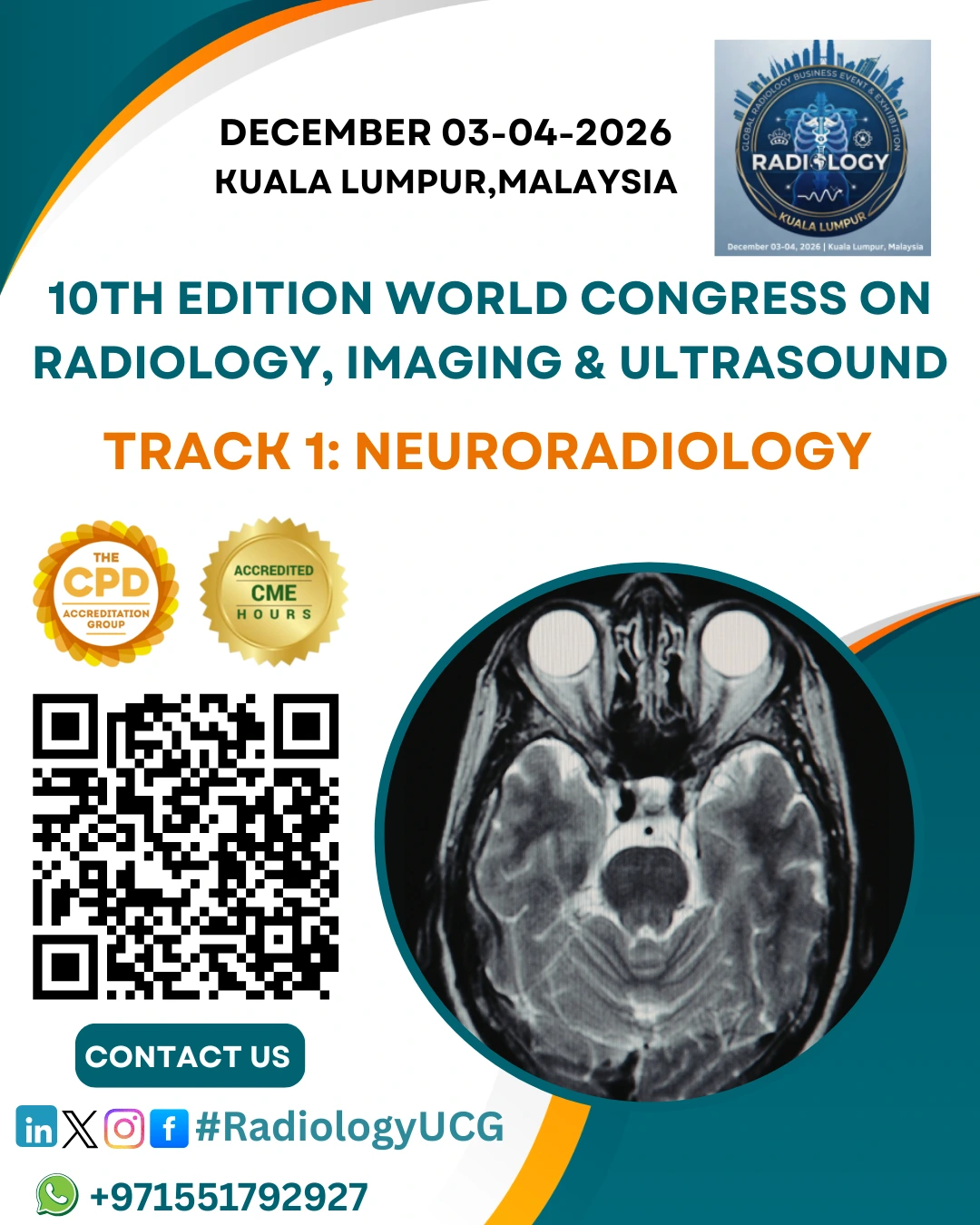
Neuroradiology is a specialized branch of Diagnostic Radiology that...
Sub Tracks: Pediatric Radiology
Pediatric Radiology is a specialized branch of radiology...
Overview:
Global collaboration and research in radiology involve coordinated efforts among radiologists, researchers, healthcare institutions, and academic organizations worldwide to advance medical imaging. This encompasses conducting multicenter studies, sharing clinical data, standardizing imaging protocols, and developing innovative diagnostic and therapeutic imaging technologies. Such collaboration ensures that research is comprehensive, reproducible, and applicable across diverse populations.
Key Focus Areas:
Importance:
International collaboration in radiology is crucial for accelerating medical progress and improving patient care. By pooling resources, expertise, and patient data, researchers can tackle complex health challenges, including rare diseases and cancer detection. Collaborative efforts support the development of standardized imaging protocols, facilitate global knowledge exchange, and strengthen training programs, raising the overall standard of radiology practice. Leveraging technologies such as artificial intelligence and machine learning further enhances diagnostic accuracy, optimizes treatment planning, and contributes to better health outcomes worldwide.